

SFS is a popular slang term used in text messages and on social media platforms today. It may look confusing at first, but its meaning is very simple and easy to understand. Many young people use it daily while chatting online with friends or followers. In 2026, SFS is still trending and widely used across different apps.
SFS usually stands for “Shoutout for Shoutout,” especially on apps like Instagram and Snapchat. People use it to promote each other’s accounts and gain more followers quickly. It is a friendly way to support others and grow together online. Knowing the meaning of SFS can help you understand modern internet slang better.
What Does SFS Mean in Text & Chat?

SFS stands for “Shoutout for Shoutout,” a term widely used across social media and chat platforms where users mutually promote each other’s profiles to grow their audiences. It is especially popular on Instagram, Snapchat, and TikTok among creators who want to gain followers fast.
Quick Example:
- A post: “Anyone want SFS? Drop your handle below!”
- B replies and they both share each other’s profile on their stories
- Both gain new followers from each other’s audience
SFS is a simple yet effective growth strategy used by influencers and everyday users alike. It works best when both accounts share a similar niche or target audience.
Full Form, Stands For & Short Meaning of SFS
- SFS full form is Shoutout for Shoutout
- It stands for a mutual promotion deal between two users
- Commonly used on Instagram, Snapchat, and TikTok
- Both users agree to share each other’s profile with their followers
- It is a free and fast way to grow your social media audience
SFS is one of the most popular collaboration methods among content creators today. It requires no money, just a simple agreement to support each other online.
Origin, History & First Known Use of SFS

SFS first appeared in the early days of Instagram around 2012 when small creators began looking for free ways to grow their follower counts without paid promotions. The trend quickly caught on as users realized that teaming up with others in the same niche was a smart and simple growth hack.
By 2015, SFS had spread to Snapchat and later to TikTok, becoming a standard part of the social media creator vocabulary. Today it is recognized globally as one of the oldest and most trusted organic growth strategies in the history of social media.
How People Use SFS in Daily Conversations
People use SFS casually in chats and captions to invite others into a mutual shoutout deal.
Example:
- “Doing SFS today, DM me if you want in!”
- “SFS with anyone who has 1k plus followers”
- “Just did SFS with her and gained 200 followers overnight”
- “Drop your page below for SFS, let’s grow together”
SFS has become everyday social media slang that creators use to connect and collaborate quickly.
SFS Meaning Across WhatsApp, Instagram, TikTok & Snapchat
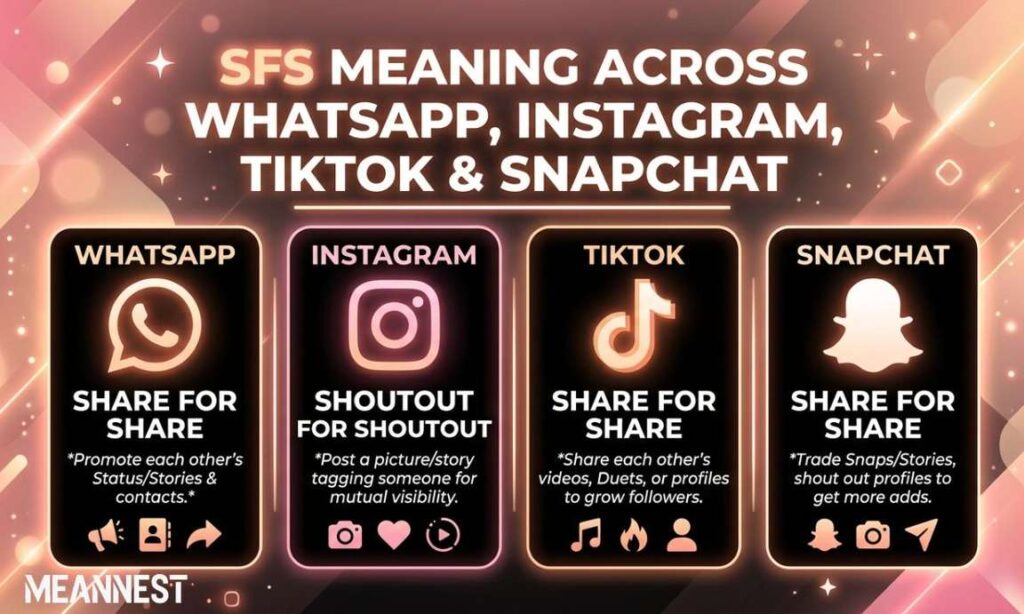
- On Instagram, SFS means sharing each other’s posts or stories to swap followers
- On Snapchat, it refers to giving a shoutout on your snap story to promote a friend’s account
- On TikTok, creators use SFS to duet or tag each other and reach new audiences
- On WhatsApp, SFS is used in group chats to share and promote each other’s business or social pages
- Across all platforms, the core meaning stays the same mutual promotion for mutual growth
No matter which platform you are on, SFS always comes down to helping each other grow together.
Different Meanings of SFS in Other Fields
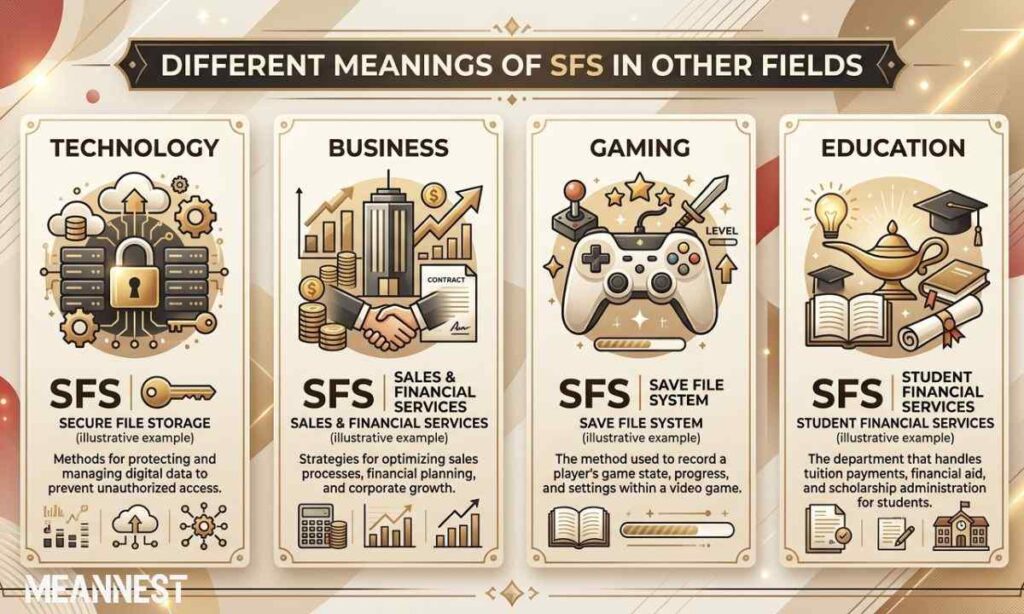
SFS is not just a social media term, it carries different meanings across various professional fields.
- In finance, SFS stands for Structured Finance Solutions
- In government, it refers to the Senior Foreign Service designation
- In technology, SFS means Secure File Sharing in cybersecurity contexts
- In education, SFS is used for Student Financial Services
- In military, it stands for Special Forces Support in operational planning
Understanding the context is key, as SFS can mean something completely different depending on the field you are in.
Common Confusions, Mistakes & Wrong Interpretations
Every learner stumbles on the same tricky spots here’s what to watch out for.
- Misreading context clues: Jumping to conclusions without fully reading the surrounding information leads to wrong interpretations.
- Confusing similar terms: Words or concepts that look alike are often mixed up, causing errors in understanding.
- Skipping foundational steps: Rushing past basics creates gaps that snowball into bigger mistakes later.
- Overgeneralizing rules: Applying one rule to every situation ignores exceptions and nuances.
- Ignoring feedback: Dismissing corrections prevents learning and repeats the same mistakes.
Recognizing these pitfalls early is the first step toward avoiding them for good.
Similar Terms, Alternatives & Related Slang
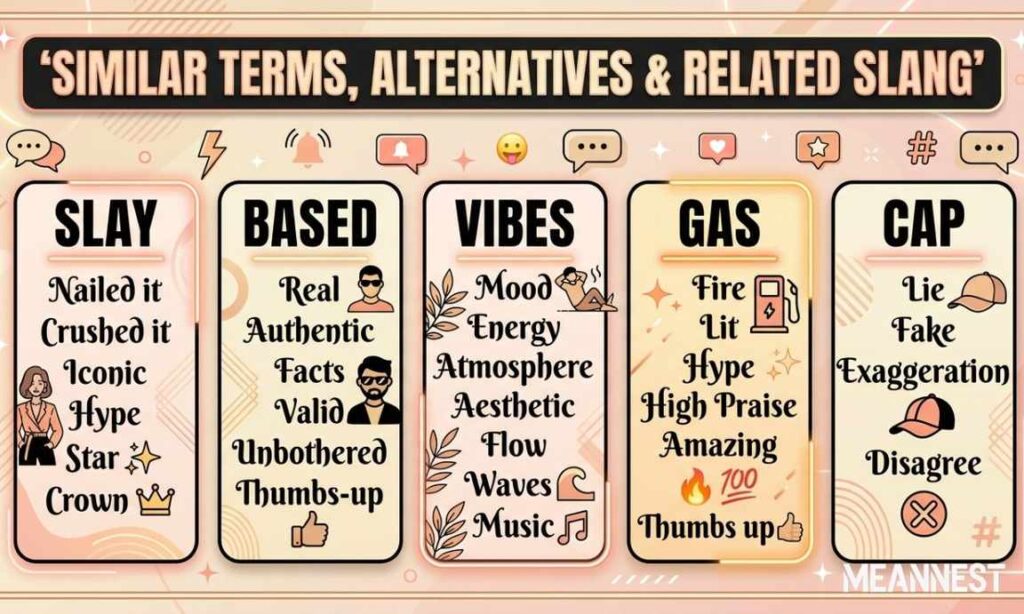
- Synonym vs. Alternative: Similar meaning, but context decides which fits best.
- Slang vs. Jargon: Slang is casual; jargon is field-specific shorthand.
- Colloquial vs. Formal: Same idea, different registers for different audiences.
- Buzzword vs. Term: Buzzwords trend; real terms carry precise meaning.
- Acronym vs. Abbreviation: Acronyms are spoken as words; abbreviations are not.
Knowing the right word for the right crowd makes all the difference.
Examples of SFS in Real Chat Situations
- Instagram DM swap: “SFS? I’ll post yours if you post mine tonight.”
- Twitter reply drop: “Drop your handle below, doing SFS run!”
- Snapchat story share: “SFS with anyone active, just message me first.”
- Group chat callout: “Who wants SFS? Tryna grow before the weekend.”
- Comment section trade: “SFS open! Like this comment and I’ll feature you.”
SFS thrives wherever followers matter and growth is just one shoutout away.
How to Reply When Someone Says SFS
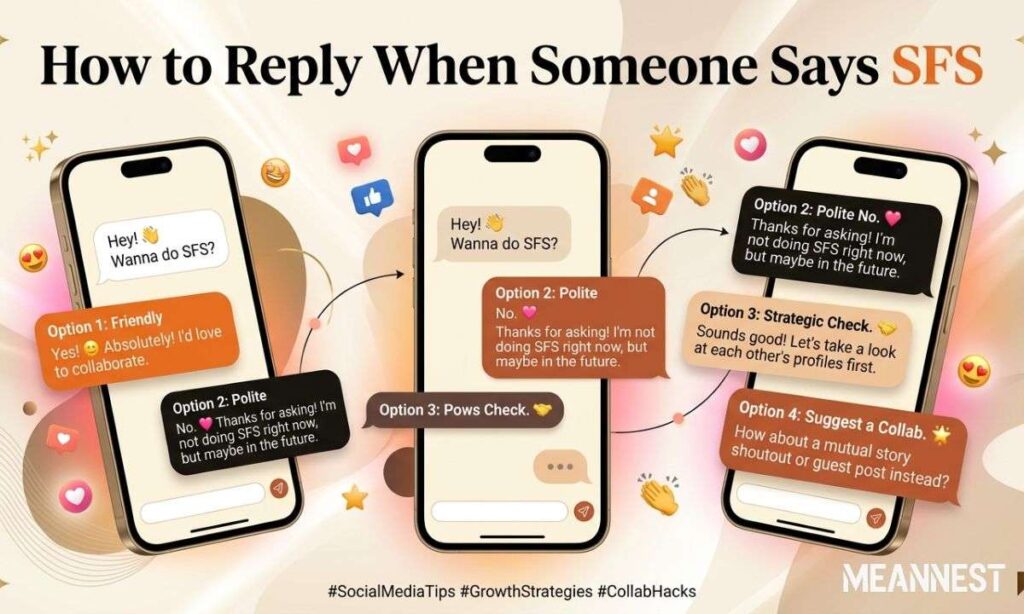
- Confirm you’re saying “SFS back!”
- Post their content on your story right away.
- Tag them so followers notice.
- Wait for their return shoutout.
- Engage like or comment to keep it going.
A genuine SFS exchange builds real mutual growth when both sides show up consistently.
Is SFS Still Popular? Trends & Online Usage
SFS remains widely used across Instagram, TikTok, and Snapchat, especially among creators chasing fast follower growth.
While newer strategies like collabs and paid promotions have taken the spotlight, SFS still thrives in niche communities and among smaller accounts building their online presence. Its simplicity keeps it relevant even as social media trends continue to evolve rapidly.
The Most Common Meanings of “SFS”
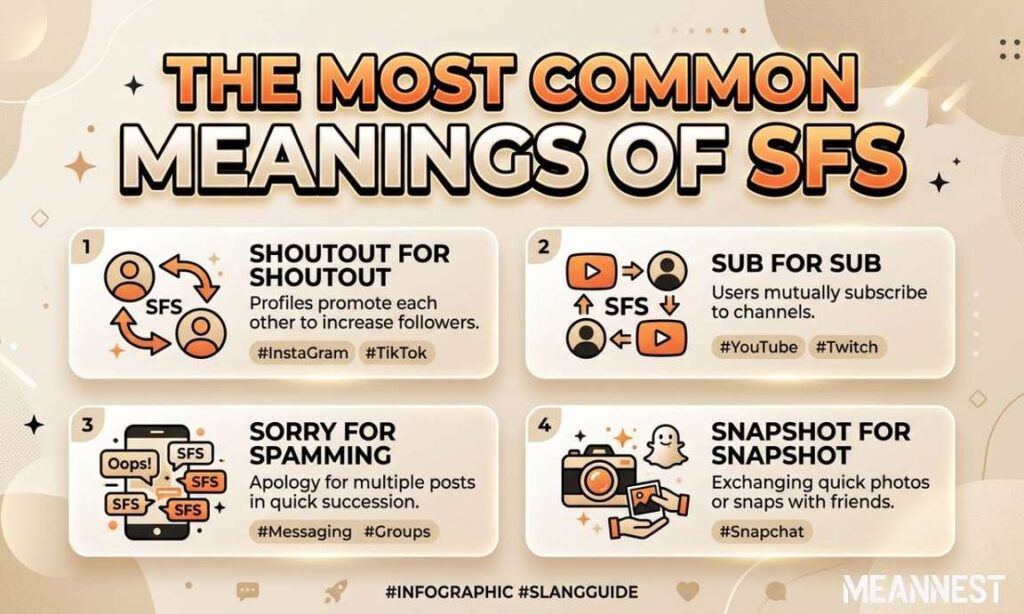
“SFS” stands for Shoutout for Shoutout, a popular social media exchange practice.
Shoutout for Shoutout
A mutual promotion deal where two accounts agree to promote each other to grow their audiences faster.
Helps small creators gain followers by tapping into each other’s existing fanbase.
Examples:
- A food blogger tags a lifestyle page, and they tag back in return
- Two Instagram pages with similar follower counts post about each other on the same day
How it works:
- Two accounts agree to mention or tag each other in a post or story
- Both parties share the other’s handle to their own followers
- The exchange is usually between accounts of similar size or niche
- Both accounts benefit by gaining new followers from the other’s audience
This happens most often on:
- TikTok
- Snapchat
- YouTube
Example message:
“Hey! Want to do an SFS? Our pages have a similar vibe.”
Friends & Casual Texting
Texting friends is all about keeping it real, relaxed, and natural.
Example:
- Short replies
- Slang allowed
When texting casually, you don’t need perfect grammar or full sentences just say what feels right. The tone should always match the vibe of your friendship and the moment.
Example:
- “omg same” works better than a formal response in casual chats
- drop punctuation and caps when the mood calls for it
Gaming & Online Communities

Gaming connects millions worldwide through shared experiences and digital friendships. Online communities grow stronger every day, bringing players together across borders.
- Multiplayer games build real friendships online
- Streaming platforms fuel gaming culture fast
- Esports tournaments attract global audiences
Work or Professional Chat
Professional communication shapes your career growth and workplace reputation. Clear and respectful chat builds stronger teams and better results.
- Keep messages short and clear
- Always respond in a timely manner
- Stay professional and solution-focused
Is “SFS” Rude, Flirty, or Offensive?
SFS stands for “Shoutout for Shoutout,” a term widely used across social media platforms to grow followers and boost engagement.
Whether it feels rude, friendly, or flirty depends entirely on the context and the relationship between the people using it.
When It Feels Friendly:
When SFS comes from a close friend or someone you genuinely follow, it feels like a warm, mutual support gesture between creators.
Example:
Your Instagram friend messages you saying, “Hey, wanna do an SFS? I love your content!”
- They tag you genuinely and praise your page
- You both gain followers and feel supported
This kind of SFS builds real community and feels good for both sides.
When It Feels Neutral:
Sometimes SFS is just a straightforward business exchange between creators who barely know each other.
Example:
A mid-size creator sends you a DM saying, “SFS? Same niche.”
- Quick content swap
- No personal connection
- Pure follower growth
When It Feels Annoying:
SFS starts feeling pushy or rude when strangers spam it without any real interest in your content.
Example:
A random account with 50 followers DMs you “SFS?” out of nowhere for the third time this week.
- Cold mass message
- Zero engagement first
- Repeated without response
Is It Flirty?
SFS on its own is not a flirty term, but tone and context can change everything.
If someone adds compliments, uses flirty emojis, or keeps initiating SFS requests just to stay in your DMs, it might be their subtle way of getting your attention rather than actually caring about the shoutout.
How to Respond When Someone Says “SFS”
When someone says “SFS” (Shoutout for Shoutout), it means they want to mutually promote each other’s accounts knowing the right reply can make or break the collab.
Casual Replies:
- Sure, I’m down drop your handle and I’ll shout you out!
- Yeah let’s do it, tag me and I’ll tag you back.
- Sounds good, DM me the details!
Funny Replies:
- SFS? My followers are like 12 people but sure, let’s make each other famous.
- Bet! Fair warning though my fan club is mostly my cousins.
- Oh wow, finally my moment of internet stardom has arrived.
- Deal, but I’m warning you my aesthetic is “random posts at 2am.”
Neutral Replies:
- Sure, I’m open to it, just send me what you’d like me to post.
- I’m interested, let me check your page first before we finalize.
- Sounds fair, let’s coordinate on timing so both posts go up together.
- Happy to, just make sure our content vibes match for it to work well.
Professional Replies:
Approach an SFS request professionally when you’re treating your account as a brand or business clarity and mutual value matter most here.
Examples:
- Hi! I’d love to explore SFS. Could you share your niche and average engagement rate first?
- Thanks for reaching out! Let’s align on posting time and format to make this effective for both sides.
- I’m open to it. Let me review your content to ensure it’s a good fit for my audience.
- Appreciate the offer! I prefer to do a quick audit before committing so both of us actually benefit.
Common Misunderstandings About “SFS”
Many people come across the term “SFS” on social media and immediately jump to the wrong conclusions.
Understanding what it actually means can save you from unnecessary confusion or embarrassment online.
Thinking It Means Something Offensive:
Some users assume “SFS” carries a negative or inappropriate meaning simply because it is an abbreviation they have never seen before.
In reality, it is a completely harmless and widely used social media term that has nothing offensive about it whatsoever.
Confusing It With Other Slang:
A lot of people mix up “SFS” with other internet slang terms that sound or look similar.
- TBH
- FYP
- SMH
Each of these abbreviations belongs to its own category and serves a completely different purpose on social media platforms.
Mixing them up can lead to awkward misunderstandings in comment sections or direct messages, so it is worth taking a moment to learn what each one actually stands for.
Assuming It Always Means Shoutout:
While “SFS” most commonly stands for “Shoutout for Shoutout,” it is not the only interpretation floating around the internet.
Depending on the platform or community, the same abbreviation can carry a slightly different meaning, so context always matters.
Thinking It Guarantees Followers:
Many beginners believe that participating in an SFS exchange will automatically bring them a flood of new followers overnight.
The truth is that results vary greatly depending on your niche, audience size, and how genuinely engaged both parties are with each other’s content.
When You Should Avoid Using “SFS”
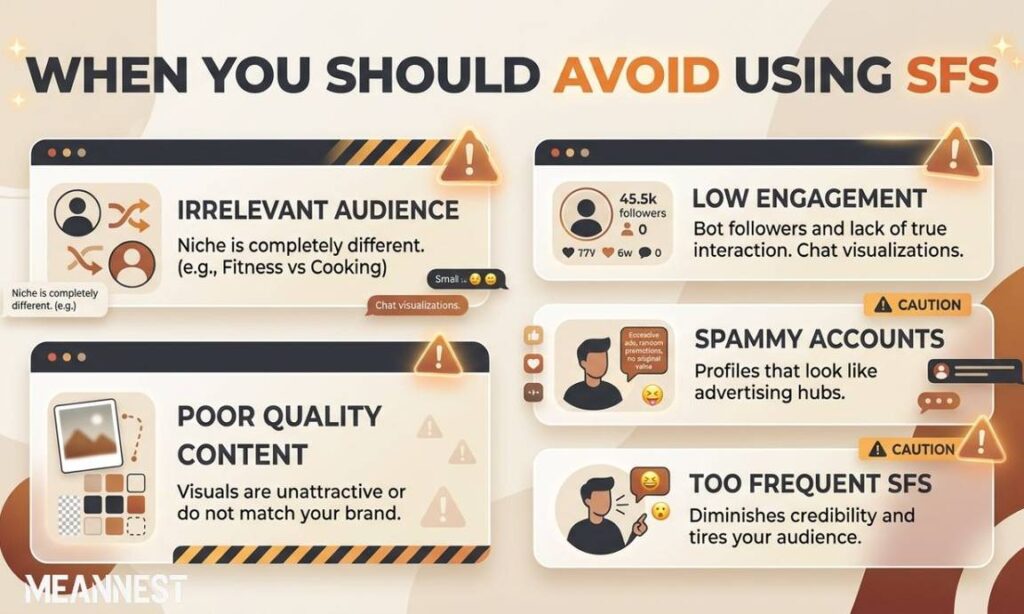
Using “SFS” can feel natural in casual conversation, but knowing when to pause and think twice can save you from awkward or harmful misunderstandings.
Professional Settings:
- Formal Email Etiquette
- Corporate Messaging Norms
- Client Communication Standards
- Workplace Tone Awareness
Cross-Cultural Chats:
Not every slang term travels well across borders, and “SFS” is no exception when speaking with people from different cultural backgrounds.
What feels like a friendly, familiar shorthand to one person may come across as confusing, dismissive, or even rude to another. Being mindful of your audience helps keep communication clear and respectful.
Sensitive Situations:
Before using casual acronyms, consider the emotional weight of the conversation you are in.
Examples:
- Grief or Loss Discussions
- Mental Health Conversations
- Conflict Resolution Talks
Taking a moment to match your tone to the situation shows empathy and builds trust with the people you are speaking to.
These three areas Professional Settings, Cross-Cultural Chats, and Sensitive Situations serve as a practical reminder that context always shapes communication.
Frequently Asked Question
What does SFS mean in text messages?
SFS means “Shoutout for Shoutout.” It is used to promote each other on social media.
What is the full form of SFS in slang?
The full form of SFS is “Shoutout for Shoutout.” It helps users grow their followers.
How do people use SFS on Instagram?
People post SFS in stories or captions to exchange promotions with others.
Is SFS still popular in 2026?
Yes, SFS is still widely used in 2026, especially by social media users.
What does SFS mean on Snapchat?
On Snapchat, SFS also means “Shoutout for Shoutout” to boost views and followers.
Why do people use SFS online?
People use SFS to gain followers, increase engagement, and support each other.
Can SFS have different meanings?
Yes, but most commonly it means “Shoutout for Shoutout” on social platforms.
Is SFS safe to use on social media?
Yes, it is safe, but you should only interact with trusted accounts.
Who mostly uses SFS in chats?
Teenagers, influencers, and active social media users mostly use SFS.
How can beginners use SFS correctly?
Beginners can use SFS by asking others for shoutouts and sharing their profiles.
Conclusion
SFS is a simple and popular slang term used in text messages and social media today. It mainly stands for “Shoutout for Shoutout” and helps people support each other online. Many users use it to grow their accounts and gain more followers quickly. In 2026, SFS is still widely used and remains an important part of online slang.
Understanding SFS makes it easier to follow modern chat trends and social media language. It also helps you communicate better with friends and followers online. Using it the right way can improve your online presence and engagement. Overall, SFS is a useful and fun slang term in today’s digital world.

Michael is a creative writer with 4 years of experience exploring meanings and clever puns through his blog. He now works at Meannest.com, where he continues crafting engaging, witty content that connects ideas, language, and humor for readers worldwide diverse.
