

Hmm Meaning in Text is something you often see in chats and social media in 2026. At first, it may look simple, but it can show many different feelings. People use “hmm” when they are thinking, unsure, or not fully agreeing. It can even change the mood of a conversation.
In texting, “hmm” is a short way to react without saying much. It can show confusion, doubt, or deep thinking depending on the situation. Sometimes it feels neutral, and sometimes it feels emotional. Understanding the real meaning of “hmm” helps you read messages better and reply in the right way.
What Does “Hmm” Mean in Text & Chat?
“Hmm” is one of those deceptively simple responses that can carry a completely different meaning depending on the person, tone, and moment it appears in.
- Often signals hesitation or uncertainty when someone is not fully sure how to respond
- Can express mild disapproval or doubt without directly saying anything confrontational
- Sometimes used as a thinking out loud moment when someone is genuinely processing something
- Comes across as disinterested or unbothered when sent with no follow-up in a conversation
- In flirty or playful chats it often carries a teasing and suggestive energy between two people
Once you understand the real meaning behind “Hmm” you will never misread that one little word in a text conversation again.
Full Form, Stands For & Short Meaning of “Hmm”
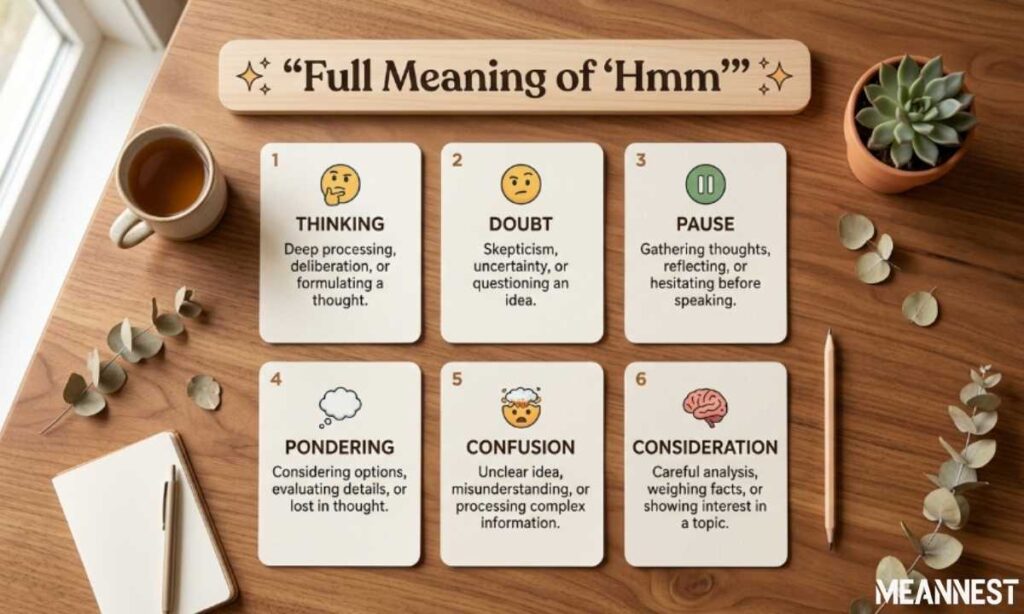
“Hmm” is not a formal acronym but a natural human sound used to express thought, hesitation, or curiosity in everyday communication.
- “Hmm” signals thinking or processing before giving a response.
- It shows hesitation or uncertainty when someone is unsure.
- Used to express agreement or acknowledgment in casual talk.
- Conveys doubt or skepticism without using direct words.
- Acts as a filler sound to keep conversation flowing naturally.
In short, “Hmm” is a universal vocal cue that speaks volumes without a single formal word.
Origin, History & First Known Use of “Hmm”
The sound “Hmm” has roots in ancient human communication, long before written language existed, used instinctively across cultures to signal deep thought or pause.
Its first recorded use in English dates back to the early 17th century, making it one of the oldest and most natural vocal expressions in the language.
How People Use “Hmm” in Daily Conversations
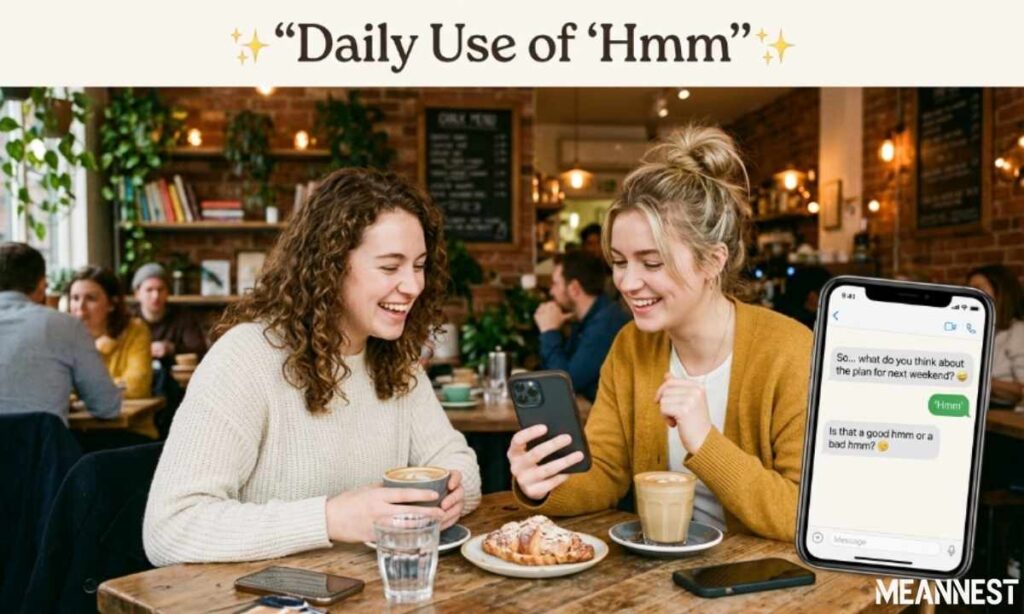
People drop “Hmm” naturally in conversation to express what words sometimes cannot capture in the moment.
- Used to show active listening without interrupting the speaker.
- Signals thinking or deciding before giving a final answer.
- Expresses mild disagreement or doubt in a polite way.
- Conveys surprise or curiosity when something is unexpected.
- Acts as a soft reply when someone is not fully convinced.
Simply put, “Hmm” is a tiny sound that carries a surprisingly big emotional weight in daily talk.
“Hmm” Meaning Across WhatsApp, Instagram, TikTok & Snapchat
On social media, “Hmm” takes on different shades depending on the platform and the mood behind it.
- On WhatsApp, it often means the person is thinking or giving a cold, dry reply.
- On Instagram, it shows up in comments to express doubt or low-key shade.
- On TikTok, “Hmm” in captions signals suspense or something worth noticing.
- On Snapchat, it usually means the sender is unsure or playing it cool.
- Across all platforms, it can also mean “I read it but I have nothing to say.”
No matter the app, “Hmm” always carries that same vibe of thinking, doubting, or holding back.
Different Meanings of “Hmm” in Other Fields
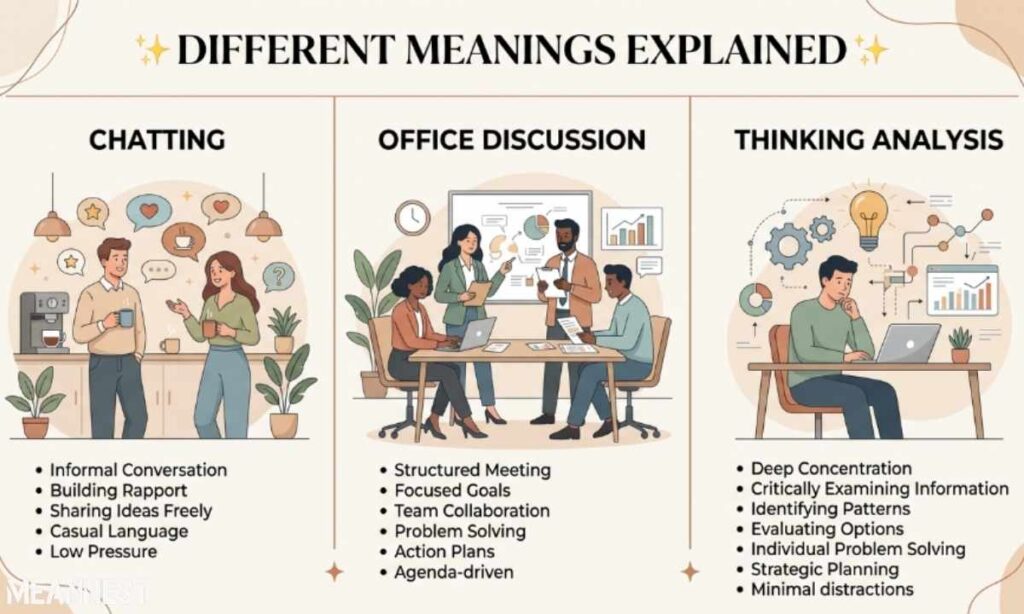
The word “Hmm” carries surprisingly distinct meanings across various disciplines beyond everyday conversation.
- In music, “Hmm” represents a humming tone used as a vocal warm-up or meditative sound in practice.
- In linguistics, it functions as a hesitation marker signaling that the speaker is actively processing information.
- In psychology, “Hmm” is studied as a backchannel signal showing a listener’s attention and engagement.
- In computing, it refers to a Hidden Markov Model (HMM), a powerful tool for speech and pattern recognition.
- In meditation, the sound is used as a vibrational mantra to promote focus and mental clarity.
Across all these fields, “Hmm” proves that even the simplest sounds can carry deep and varied meanings.
Common Confusions, Mistakes & Wrong Interpretations
People often misread situations, words, or signals simply because context is missing or assumptions take over.
- “Your” vs “You’re” is one of the most common grammar mistakes in everyday writing.
- Many confuse confidence with arrogance, missing the fine line between the two.
- Silence is frequently misread as anger when it often just means someone is thinking.
- People mistake being busy for being productive, which leads to wasted effort.
- Sarcasm in text is widely misunderstood because tone of voice simply does not exist in writing.
Avoiding these errors starts with slowing down, asking questions, and never assuming you already know the full picture.
Similar Terms, Alternatives & Related Slang
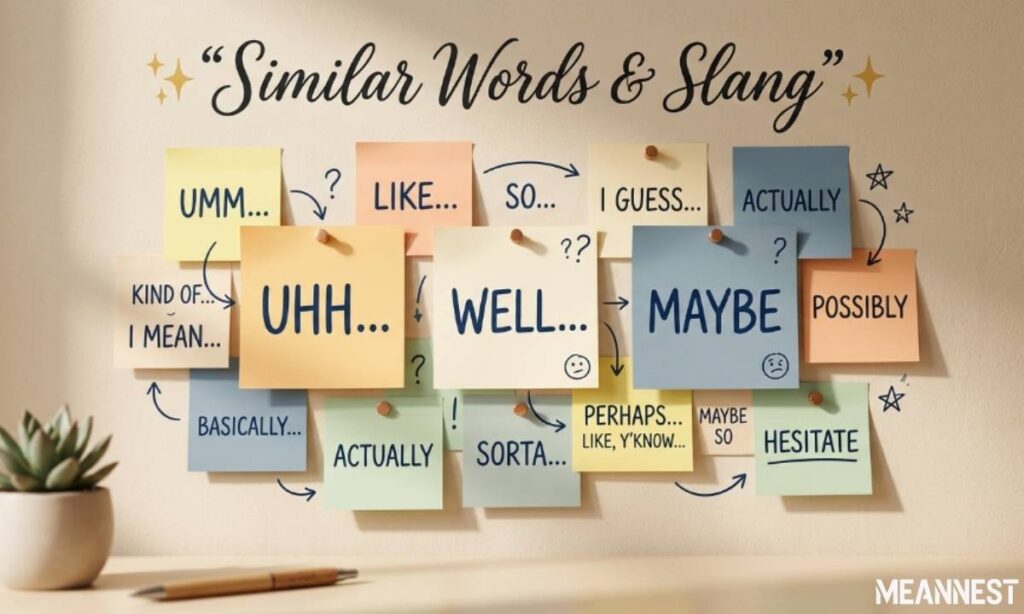
Language is rich with words and phrases that mean the same thing but feel completely different depending on who is speaking.
- “Uh-huh” acknowledged
- “Got it” understood
- “Sure thing” agreed
- “I see” recognized
- “Fair enough” accepted
No matter the word chosen, what truly matters is that the meaning lands and the connection is made.
Examples of “Hmm” in Real Chat Situations
In real conversations, “Hmm” shows up naturally whenever someone needs a moment to think, pause, or react.
- “Hmm, let me check” signals a person is taking action before replying.
- “Hmm, not sure” honestly expresses doubt without shutting down the conversation.
- “Hmm, that’s odd” reflects surprise at something unexpected in the chat.
- “Hmm, okay fine” shows reluctant agreement after a moment of hesitation.
- “Hmm, interesting” is a soft way to show curiosity without giving a full opinion.
These small moments of “Hmm” make digital conversations feel more human, warm, and genuinely thoughtful.
How to Reply When Someone Says “Hmm”
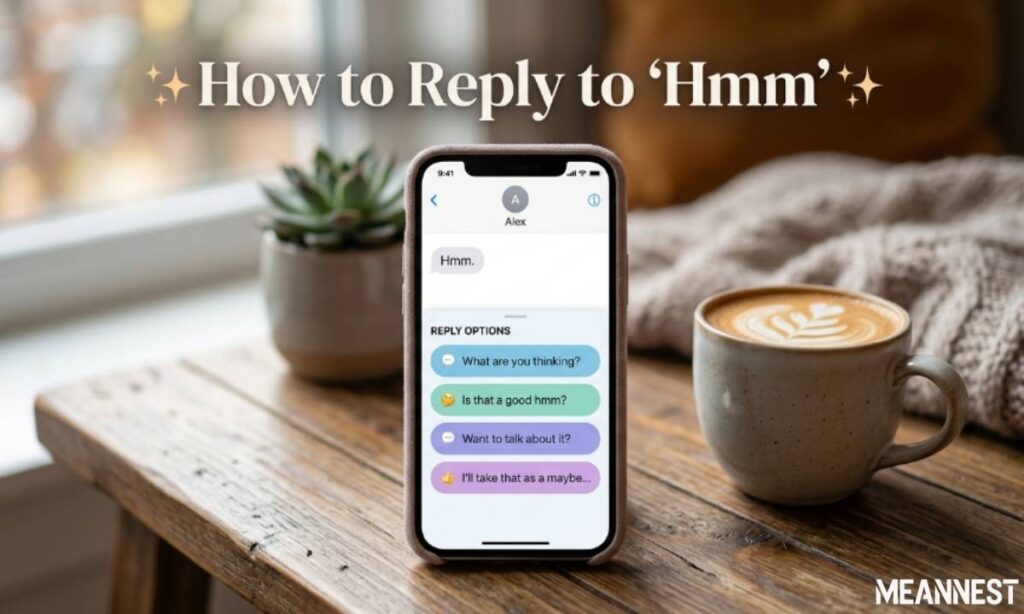
When someone says “Hmm”, the best response is one that gently opens the door for them to share more.
- Ask “What’s on your mind?” to invite them to think out loud comfortably.
- Say “Take your time” to show you respect their thinking process without pressure.
- Try “Does something feel off?” when their “Hmm” sounds like quiet concern.
- Respond with “I hear you” to let them know you are present and listening fully.
- Simply stay quiet for a moment, as sometimes silence itself is the best reply.
Knowing how to respond to “Hmm” turns a small pause into a moment of real connection.
Is “Hmm” Still Popular? Trends & Online Usage
Even in the age of emojis and memes, “Hmm” remains one of the most widely used expressions across social media, texting, and online forums. Its simplicity makes it timeless, fitting naturally into any digital conversation without ever feeling outdated.
Platforms like Twitter, Reddit, and WhatsApp show “Hmm” appearing daily in threads, replies, and chats as a go-to reaction word. As long as people need a moment to think or pause, “Hmm” will never truly go out of style.
Background & Origin of “Hmm”
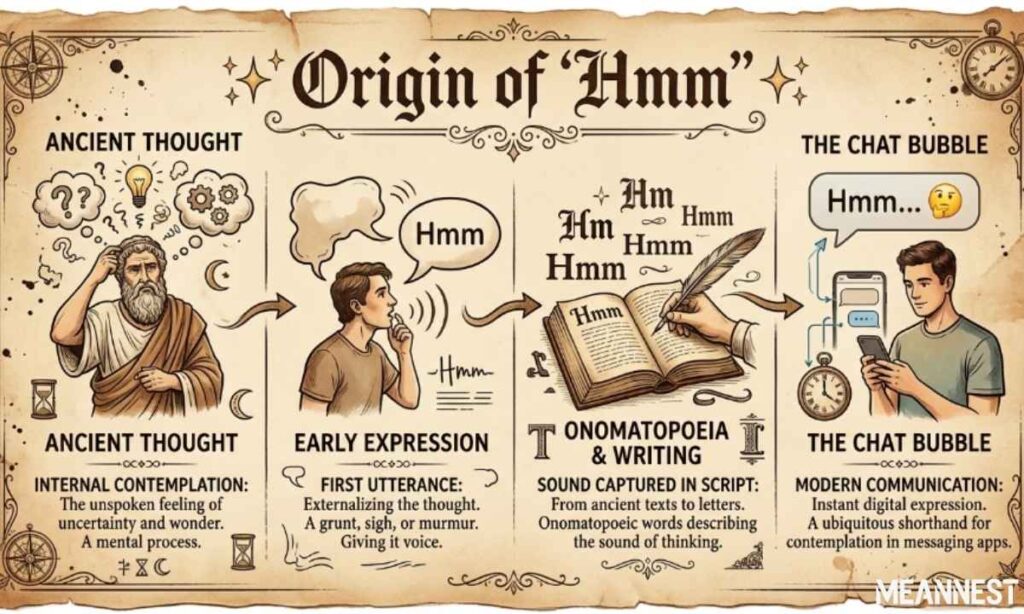
The word “Hmm” has ancient roots, born naturally from the human instinct to pause and process before speaking.
- It traces back to Old English where humming sounds expressed deep thought.
- Linguists classify it as an interjection, not a formal word but a vocal reflex.
- The sound appears in almost every language, proving it is a universal human trait.
- It gained written form as literacy spread, giving people a way to write their pauses.
- By the 20th century, “Hmm” was fully recognized in dictionaries worldwide.
Today, “Hmm” stands as proof that some of the oldest human sounds are still the most honestly expressive.
Usage of “Hmm” in Different Contexts
“Hmm” adapts effortlessly to any situation, carrying a different weight and meaning depending on the moment it appears.
- In casual texting, it signals a relaxed pause before giving a thoughtful reply.
- In professional emails, it softens a response when someone needs more time to decide.
- During arguments, “Hmm” can quietly show disagreement without starting a conflict.
- In storytelling, writers use it to make a character feel more real and relatable.
- In therapy sessions, it is used by listeners to show full attention without interrupting.
No matter the setting, “Hmm” always manages to say something meaningful with just three letters.
In casual texting
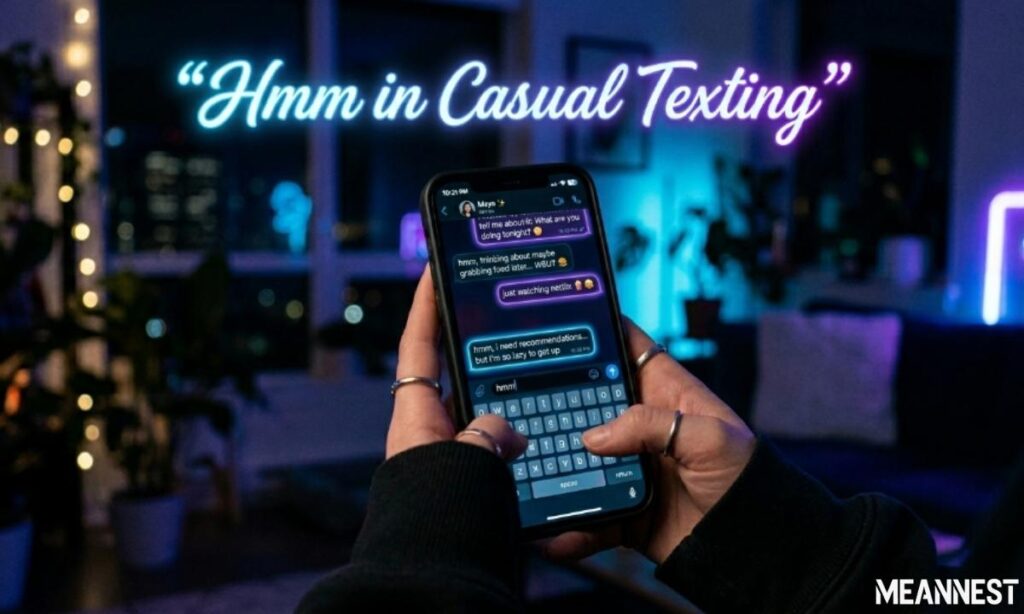
In everyday texting, “Hmm” is one of those small words that carries a surprising amount of feeling in just a moment.
- It often means the person is genuinely thinking before they type their next message.
- A quick “Hmm okay” usually signals soft agreement without much enthusiasm behind it.
- When sent alone, it can hint at suspicion or that something does not quite add up.
- It keeps the conversation alive when someone is not yet ready to give a full response.
- Between close friends, “Hmm” often replaces a long reply and still says everything needed.
That one little “Hmm” in a text can speak louder than a whole paragraph ever could.
In social media comments
On social media, “Hmm” has become a quiet but powerful tool for expressing reactions without starting drama.
- A lone “Hmm” under a post often signals polite doubt about what was just shared.
- It is used to show mild curiosity when a post is interesting but not fully convincing.
- In heated threads, “Hmm” lets someone disagree softly without triggering an argument.
- Content creators see “Hmm” as engagement, proving the post made someone stop and think.
- Among friends, it works as a playful tease hinting that something does not add up.
Across every platform, “Hmm” proves that sometimes the shortest comment leaves the biggest impression.
In professional settings

Even in work environments, “Hmm” finds its place as a subtle signal of careful thought and professional consideration.
- In meetings, it shows a person is actively processing before giving their response.
- During negotiations, “Hmm” buys valuable time to think without appearing unprepared.
- In emails, it softens a reply when someone needs to reconsider a decision carefully.
- A thoughtful “Hmm, let me look into that” shows accountability without making promises.
- Managers often use it to acknowledge an idea without giving immediate approval or rejection.
Used wisely, “Hmm” in a professional setting reflects intelligence and composure rather than hesitation or weakness.
In online debates
In the heat of online debates, “Hmm” quietly becomes one of the most strategically used responses in any argument.
- It signals skepticism when someone shares a claim that feels hard to believe.
- A well-placed “Hmm” challenges a point without handing the other side an easy target.
- It is often used to buy thinking time before forming a stronger counter-argument.
- In long threads, “Hmm” breaks tension by showing you are listening, not just attacking.
- Sometimes it signals shifting opinion, hinting that a good point has landed.
In online debates, a single “Hmm” can say more than a paragraph and still keep the upper hand.
Meanings Across Popular Platforms
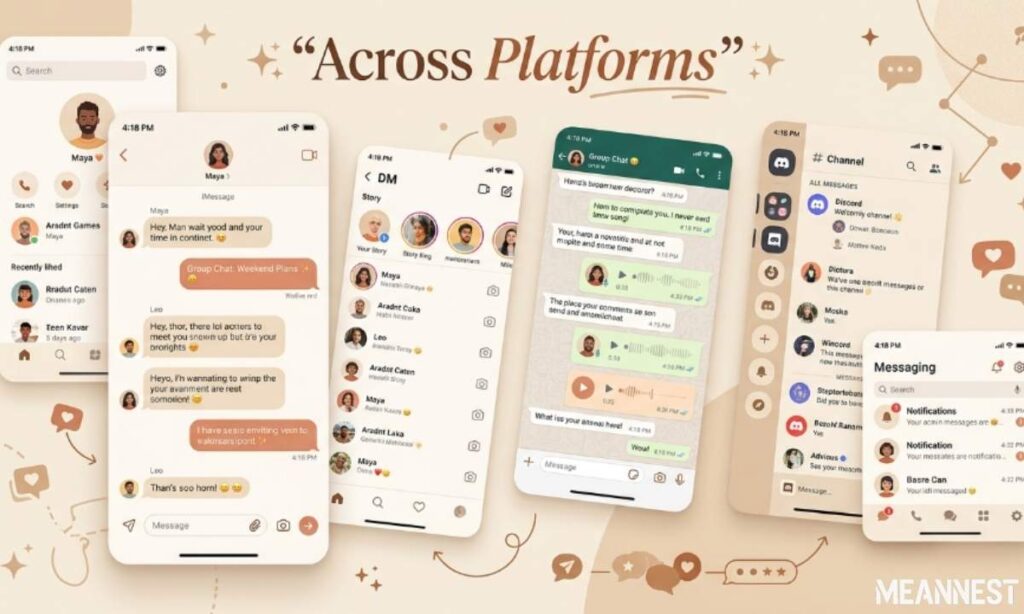
Every platform has its own culture, and the meaning of “Hmm” shifts slightly depending on where it is used.
| Platform | What “Hmm” Means |
| Thinking before replying | |
| Twitter / X | Quiet disagreement or doubt |
| Mild curiosity on a post | |
| Skepticism toward a claim | |
| Polite professional pause | |
| YouTube | Reaction to surprising content |
| Soft disapproval or confusion |
Understanding these platform differences helps you read “Hmm” more accurately and respond in the right way.
Cultural or Regional Interpretations
In Western cultures, “Hmm” is widely accepted as a sign of active listening and open-minded thinking, rarely carrying any negative weight.
But in some Eastern cultures, the same sound can signal deep respect for silence, where thinking before speaking is considered a true virtue.
Across South Asian and Middle Eastern regions, a drawn-out “Hmm” often leans toward polite disagreement, something people express without wanting to cause offense.
This shows that while the word is universally spoken, its meaning is always quietly shaped by the culture behind it.
Western regions

In Western regions, “Hmm” is a deeply familiar sound that people use openly and comfortably in daily life.
- In the United States, it commonly signals genuine thinking during casual conversation.
- British speakers use “Hmm” as a polite filler to avoid silence mid-conversation.
- In Canada and Australia, it often means relaxed agreement with a thoughtful undertone.
- Western workplaces accept it freely, seeing it as a sign of consideration not confusion.
- In Western media and film, “Hmm” is used to build character depth and realism.
Across the West, “Hmm” is not just a sound but a natural and respected part of everyday expression.
South Asian regions
In South Asian regions, “Hmm” carries a richness shaped by deep cultural values around respect, patience, and indirect expression.
- In Pakistan and India, a slow “Hmm” often means polite hesitation rather than full agreement.
- It is commonly used by elders to show they are listening without committing to a response.
- In Bengali and Tamil conversations, “Hmm” signals emotional understanding more than verbal reply.
- During family discussions, it gently expresses disagreement without creating open conflict.
- In South Asian texting culture, a single “Hmm” can carry entire unspoken feelings behind it.
Across South Asia, “Hmm” is far more than a pause, it is a culturally loaded signal wrapped in quiet meaning.
East Asian regions

In East Asian regions, “Hmm” is deeply tied to the cultural values of restraint, respect, and mindful silence.
- Thoughtful pause
- Respectful listening
- Indirect disagreement
- Quiet acknowledgment
- Polite uncertainty
Across East Asia, “Hmm” reflects a culture where saying less often communicates far more.
Middle Eastern texting
In Middle Eastern texting culture, “Hmm” carries a tone of deep thought, careful consideration, and respectful hesitation.
- It often signals quiet disapproval without wanting to cause direct confrontation.
- A slow “Hmm” in a message hints at unspoken feelings that words cannot fully express.
- In Arabic texting, it is used to show the sender is genuinely reflecting on something.
- Between close friends, “Hmm” works as a playful tease wrapped in warm familiarity.
- In family chats, it respectfully signals that someone needs more time before responding.
Across the Middle East, “Hmm” speaks volumes in a culture where words are chosen with great care.
Example:
- “Hmm…” (thinking)
- “Hmm, inshallah” (uncertain agreement)
- “Hmm, wallah?” (surprised doubt)
Technical / Scientific Uses

Beyond everyday speech, “Hmm” has found a surprisingly important place in technical and scientific research worldwide.
- In linguistics research, it is studied as a vocal disfluency that reveals how the brain processes language.
- Speech recognition systems are trained to detect “Hmm” as a natural human hesitation signal.
- In AI and NLP, it helps models better understand human conversational patterns in real time.
- Cognitive scientists use it to measure response delay and map mental processing speed.
- In acoustic studies, the sound frequency of “Hmm” is analyzed for emotional and tonal meaning.
From laboratories to language models, “Hmm” has quietly become a valuable data point in understanding human communication.
Example:
- HMM (Hidden Markov Model)
- Disfluency
- Backchanneling
Medical / Health
In medical and health settings, “Hmm” plays a quiet but meaningful role in how doctors, therapists, and patients communicate with each other.
- Doctors use it to signal they are carefully considering symptoms before giving a diagnosis.
- In therapy sessions, it reassures patients that the listener is fully present and engaged.
- A “Hmm” from a nurse often means they are cross-checking information before acting.
- In mental health conversations, it gently encourages the patient to keep talking and opening up.
- Medical transcription tools now flag “Hmm” as a meaningful pause marker in clinical recordings.
Across healthcare settings, this small sound reflects a culture of attentive, thoughtful, and human-centered care.
Example:
- Acknowledgment
- Consideration
- Reassurance
Physics / Measurements
In the world of physics and measurements, “Hmm” takes on an entirely different and surprisingly technical significance.
- Frequency analyzed
- Acoustic measured
- Vibration studied
- Sound wavelength
- Resonance recorded
Understanding “Hmm” through a physics lens reveals how even a simple human sound follows the precise laws of nature and science.
Common Misconceptions About “Hmm”
Many people wrongly assume that “Hmm” always means disagreement or disinterest, when in reality it simply reflects a moment of genuine thought and consideration.
Treating every “Hmm” as a negative signal often leads to unnecessary misunderstandings in both personal and professional conversations.
Another common myth is that “Hmm” is a sign of rudeness or dismissiveness, especially in text messages where tone is hard to read.
In truth, it is one of the most honest and human responses a person can give, showing they are actually thinking before they speak.
Psychological or Emotional Meaning Behind “Hmm”

Behind every “Hmm” lies a quiet but powerful signal of what a person is truly feeling inside at that moment.
- It often reveals internal conflict when someone is unsure how to respond emotionally.
- A soft “Hmm” can mean the person feels heard but is still processing what was said.
- In emotionally charged conversations, it acts as a safe pause before a vulnerable reply.
- Psychologists see it as a sign of active empathy, showing the listener is deeply engaged.
- A prolonged “Hmm” frequently signals suppressed emotions that have not yet found words.
Understanding the emotional weight behind “Hmm” helps build deeper and more honest human connections.
Example:
- Contemplation
- Vulnerability
- Empathy
Is “Hmm” Offensive or Friendly?
Whether “Hmm” feels offensive or friendly depends almost entirely on tone, context, and the relationship between the people involved.
- Said with a warm tone, it signals genuine interest and caring attention toward the speaker.
- In a cold or flat delivery, it can feel like dismissal or silent judgment to the receiver.
- Between close friends, “Hmm” is almost always read as playful and completely harmless.
- In professional conversations, it can come across as uncertainty or polite disapproval if misread.
- The length of the “Hmm” matters deeply, as a longer one often feels more loaded and serious.
At its heart, “Hmm” is neither offensive nor friendly but simply a mirror of the intention behind it.
Example:
- Tone-dependent
- Context-driven
- Relationship-based
Possibly negative
While “Hmm” seems innocent on the surface, there are moments when it carries a clearly negative and uncomfortable undertone.
- A sharp “Hmm” after a statement can quietly signal strong doubt or disbelief in the speaker.
- When used repeatedly, it starts to feel like passive resistance or silent stubbornness.
- In tense conversations, it can come across as deliberate coldness or emotional withdrawal.
- A flat “Hmm, okay” often means the person is unhappy but unwilling to say it directly.
- Sent without any follow-up in a text, it can leave the other person feeling dismissed and unheard.
Recognizing when “Hmm” turns negative helps avoid silent misunderstandings before they grow into bigger problems.
Example:
- Skepticism
- Disapproval
- Dismissal
Famous Lines or Quotes Using Variants of “Hmm”
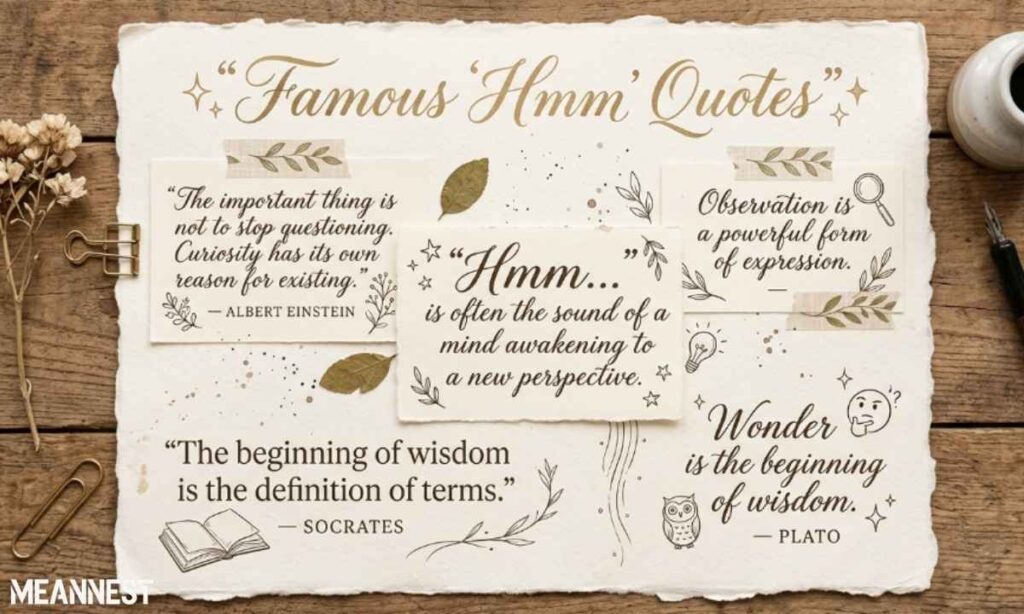
Throughout literature, film, and pop culture, variants of “Hmm” have appeared in some of the most memorable and iconic moments.
- Yoda’s famous “Hmm, difficult to see, the future is” made the word feel wise and mysterious.
- Sherlock Holmes often muttered a drawn-out “Hmm” just before cracking a brilliant deduction.
- In Disney films, a thoughtful “Hmm” from a character almost always signals a turning point ahead.
- Many stand-up comedians use a long “Hmm” as a comic pause to land their punchline perfectly.
- World leaders in speeches have used “Hmm” live on air, making it a humanizing and relatable moment.
These famous uses prove that “Hmm” is not just filler but a sound that has shaped storytelling and culture for generations.
Example:
- Yoda
- Holmes
- Disney
Grammar or Linguistic Insights
Understanding grammar is the foundation of clear, effective communication in any language.
- English has 1,000+ irregular verbs that must be memorized individually
- Word order changes meaning more than any other grammatical rule
- Punctuation can completely reverse the intent of a sentence
- Most grammar “rules” are myths invented by 18th-century scholars
- Context decides correctness better than any textbook ever will
Mastering these patterns and language will feel natural, not mechanical.
Example:
- Tense
- Voice
- Agreement
How to Respond to “Hmm” (with Chat Examples)
“Hmm” is not just a sound, it is a signal worth paying attention to.
- “Hmm” often means someone is processing, not ignoring you
- Silence after “hmm” is normal and healthy in conversation
- Replying too fast makes you look nervous and unsure
- A simple question opens the door better than a long reply
- Reading the tone behind it matters more than the word itself
Respond with calm curiosity and you will never misread a “hmm” again.
Example:
- Pause
- Ask
- Listen
If they’re thinking

When someone goes quiet, it does not mean the conversation is dead.
- Thinking silence is different from ignoring you completely
- Give them space to process before jumping in
- Rushing them only creates pressure and shutdown
- A soft “take your time” shows respect and maturity
- Patience in this moment builds real trust between people
Let them think your silence right now is the smartest reply you can give.
Example:
- Wait
- Trust
- Receive
If they’re confused
Confusion is not a weakness it is a sign someone is actually trying to understand.
- Confused people need clarity, not more information dumped on them
- Slow down your words and simplify one idea at a time
- Never make them feel embarrassed for not getting it
- Ask “what part lost you” instead of repeating the same thing
- Your calm reaction tells them it is safe to ask again
Handle their confusion with patience and you become someone they always trust.
Example:
- Slow
- Simplify
- Clarify
If they seem skeptical
Skepticism is not rejection, it is someone asking you to prove it.
- Skeptical people are paying attention more than you think
- Never get defensive when someone questions your point
- Use facts and examples instead of repeating your opinion
- Acknowledge their doubt it shows you are confident, not fragile
- Pushing too hard only makes their resistance grow stronger
Earn their belief slowly and honestly and it will last far longer than forced agreement.
Example:
- Stay
- Acknowledge
- Prove
Chat-style examples
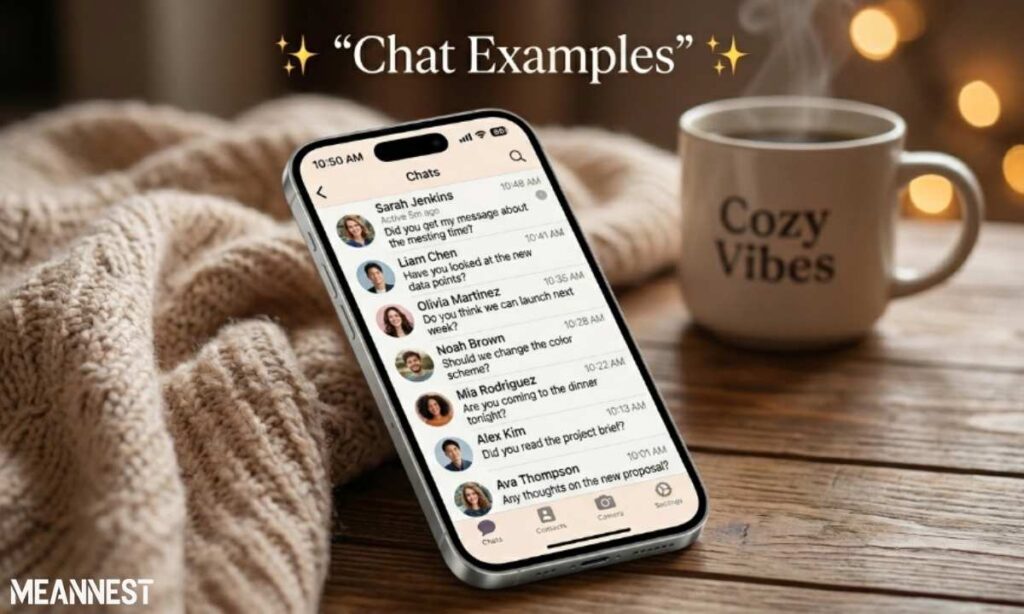
The way you write in chat says just as much as the words you actually choose.
- Short replies often carry more weight than long ones
- A single well-placed word can shift the entire mood
- Chat tone is easy to misread without the right phrasing
- Knowing when to match their energy changes everything
- The best chat responses feel human, not scripted or stiff
Write like a real person and people will always want to keep the conversation going.
Example:
- Match
- Respond
- Connect
Differences From Similar Words
Words that look alike on the surface can carry completely different meanings underneath.
- Similar words often differ in intensity, not just definition
- Context decides which word fits and which word fails
- Using the wrong one makes your message feel off and unclear
- Small differences in words create big differences in tone
- The right word shows precision the wrong one shows carelessness
Choose words with intention and your communication will always land exactly right.
Example:
- Intensity
- Context
- Tone
Relevance in Online Conversations & Dating Apps
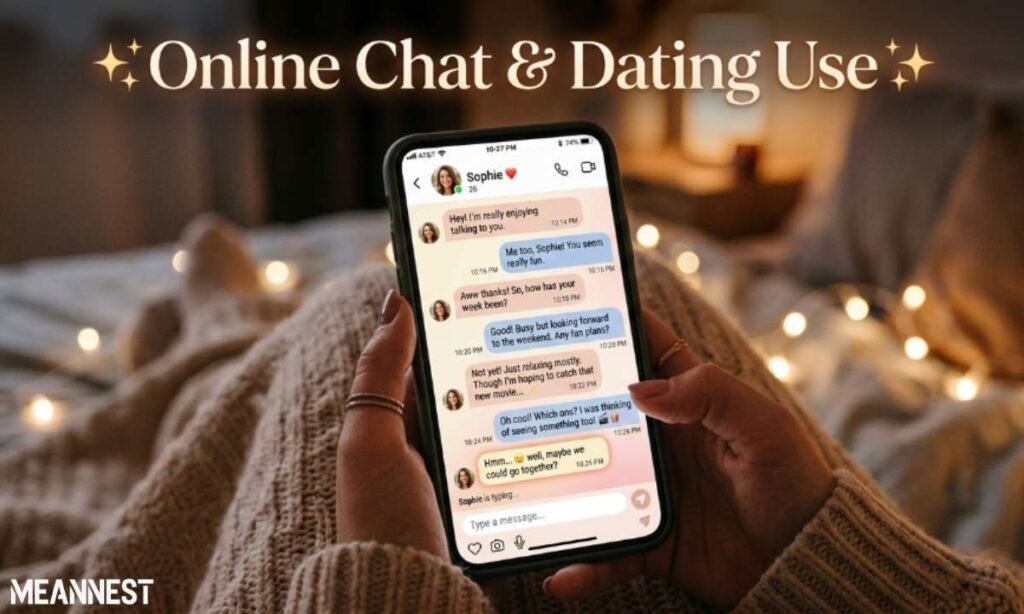
How you show up in words online is the first and sometimes only impression you ever get.
- Opening lines with genuine detail perform better than generic openers
- People respond to those who make them feel seen, not just noticed
- Dry one-word replies are the fastest way to kill any conversation
- Humor works but only when it feels natural and not forced
- Your words online carry zero body language so they must work harder
Write with real intention and the right people will always write back.
Example:
- Attention
- Timing
- Authenticity
Popularity & Trends Over Time
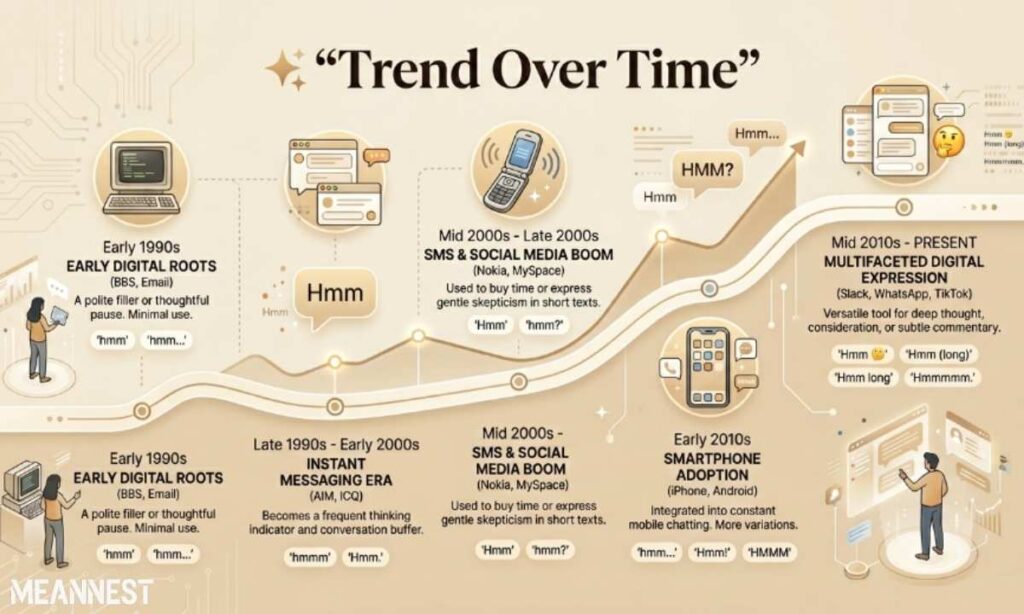
Words and phrases do not stay relevant forever; they rise, peak, and quietly fade just like everything else in culture.
What feels fresh and current today can sound outdated within a few years, and the conversations that shape language are happening faster than ever because of social media.
Trends in language are no longer driven by books or news anchors, they are driven by people typing in real time across millions of screens.
A single viral moment can push a new phrase into everyday use overnight, and that speed means the way people talk online is always shifting, always evolving, and always worth paying attention to.
Frequently Asked Question
What does “Hmm” mean in text?
It usually shows thinking, doubt, or hesitation in a conversation. It can also mean someone is not fully sure.
Is “Hmm” a positive or negative reply?
It depends on the tone. It can be neutral, curious, or slightly doubtful based on context.
Why do people use “Hmm” in chats?
People use it when they are thinking or not ready to answer directly.
What does “Hmm” mean from a girl?
It may mean she is thinking, unsure, or not fully convinced about something.
Is “Hmm” rude in texting?
No, it is not rude, but it can sound uninteresting if used repeatedly.
How should I reply to “Hmm”?
You can ask a follow-up question or explain your point more clearly.
What is the full meaning of “Hmm”?
There is no full form; it is a sound used to express thought or hesitation.
Where is “Hmm” used the most?
It is commonly used in WhatsApp, Instagram, Snapchat, and casual chats.
Does “Hmm” mean yes or no?
It is not a direct yes or no; it shows uncertainty or thinking.
Can “Hmm” show emotion?
Yes, it can show curiosity, doubt, confusion, or deep thinking depending on context.
Conclusion
Hmm Meaning in Text is simple once you understand the context behind it. This small word can show many feelings in chats and social media in 2026. It is often used when someone is thinking, unsure, or reacting slowly. Learning its meaning helps you understand conversations more clearly.
In the end, “hmm” is not just a random word in texting. It can show doubt, curiosity, or even disagreement depending on the situation. The tone of the chat changes its meaning completely. Now that you know the Hmm Meaning in Text, you can reply more confidently in daily conversations.

Michael is a creative writer with 4 years of experience exploring meanings and clever puns through his blog. He now works at Meannest.com, where he continues crafting engaging, witty content that connects ideas, language, and humor for readers worldwide diverse.

2 thoughts on “Hmm Meaning in Text: Real Meaning & Uses 2026”