

The landscape of digital communication evolves at a lightning-fast pace. In 2026, keeping up with rapid micro-expressions and chat acronyms is essential to navigating social platforms without confusion. One such two-letter shortcut currently dominating group chats, gaming lobbies, and comment sections is GL.
If you have spotted this term on your screen, its actual intent can shift dramatically depending on who sent it and where it appears. This comprehensive guide breaks down the definitions, history, and real-world usage of GL so you can stay ahead of the digital curve.
The Core Definition of This Digital Phrase
In everyday digital conversations across WhatsApp, Instagram, and Snapchat, GL is primarily used as a casual shorthand for “Good Luck.” When someone uses the phrase in this context, it means they are wishing you well before a challenge, exam, or important life event.
Dropping this acronym is an effortless way to signal that you are rooting for someone and sending positive vibes. It effectively translates to a warm, real-world handshake or a supportive pat on the back in just two quick keystrokes.
Technical and Corporate Abbreviations

While wishing someone well is the dominant social vibe, GL is a highly flexible acronym that carries a few other popular interpretations depending on the specific industry:
- General Ledger: The core accounting and financial record book of a business.
- Grenade Launcher: A standard weapon classification term heavily used in military forums.
- Glide Level: Specific navigation and flight path data used inside aviation systems.
Real Chat Blueprints Explained
To see how seamlessly GL fits into daily smartphone communication, review these common textual layouts:
- Before an Exam: “Heading into the exam hall now, super nervous!” → “GL bro, you’ve got this!”
- Before a Job Interview: “Wish me luck, my interview starts in 5 minutes.” → “GL bestie, kill it!”
IRC Roots and the Evolution of Chat Shorthand
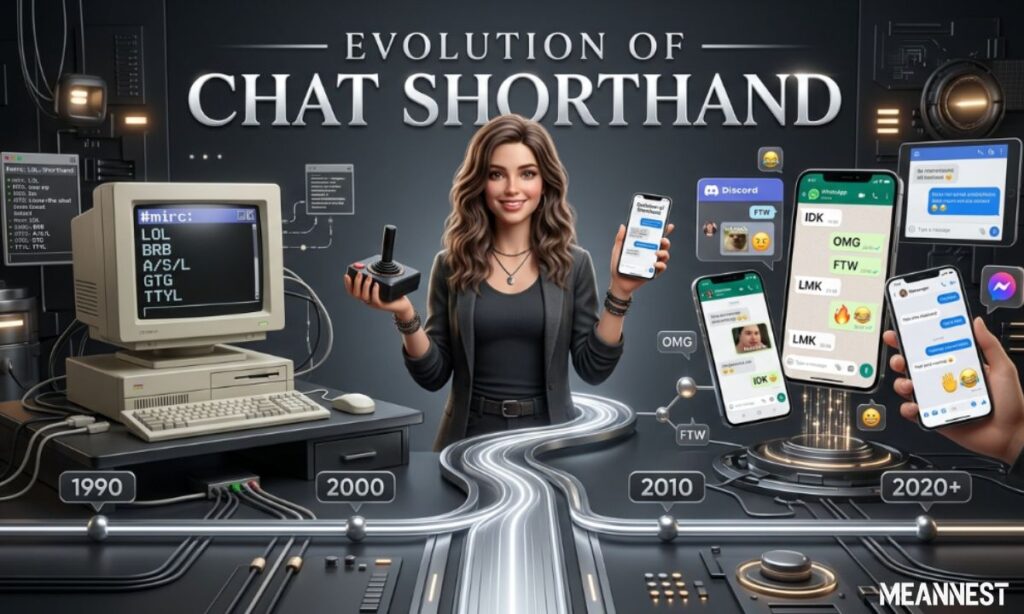
The structural root of GL traces back to the early 1990s during the foundational rise of internet IRC chat rooms and bulletin boards. As digital culture scaled, younger generations demanded faster, low-effort keystrokes to mirror real-time human emotions without typing out full phrases. By the mid-2000s, it crossed over into mainstream mobile texting.
Audience Alignment and Tone Profile
Understanding how to deploy this slang correctly requires analyzing its behavioral and cultural alignment:
Slang Strategic Matrix
- Primary Meaning: Good Luck
- Linguistic Style: Fast texting filler; conversational interjection
- Tone Category: Warm, supportive, friendly, and highly positive
- Ideal Audience: Close friends, internet peers, and social media followers
Social Media Patterns: TikTok Streams vs. WhatsApp DMs
The contextual weight of GL often morphs based on the specific social media application you are browsing:
| Platform | Dominant Meaning | Real-World Context Example |
| Good Luck | Used to wish friends luck before personal events or tests. | |
| Discord | Good Luck, Have Fun | Sent inside gaming servers right before a tournament match. |
| TikTok | Cheering / Support | Appears in live streams and comment sections to motivate creators. |
Pre-Match Etiquette in Gaming Lobbies
Outside of casual text messages, GL holds legendary status inside the global gaming community. Gamers universally type GL or its expanded version GLHF (Good Luck, Have Fun) at the exact moment a competitive match begins. It serves as a vital gesture of sportsmanship and mutual respect between opponents before the battle starts.
Identifying Sarcasm and Passive-Aggressive Texts
Like most modern shortcuts, GL relies entirely on context to establish its mood. When sent to a friend or teammate, it feels deeply supportive and warm. However, if dropped bluntly after a heated online argument or sent in a mocking tone, it can instantly turn into a passive-aggressive way of telling someone to “Get Lost.”
Best Scenarios for Sending Encouragement
Knowing when to use GL correctly makes your conversations smoother and more natural. Use it freely in casual DMs, gaming lobbies, and social media comment sections when you want to show quick support, build community, or keep a fast-moving chat bubble running effortlessly without long explanations.
Settings Where Internet Shortcuts Fail
Skip this shortcut entirely during formal corporate emails, official business presentations, or deep emotional conversations where the other person needs a thoughtful, fully spelled-out response. Using a two-letter shortcut in highly professional spaces can make you look lazy or careless.
Alternative Acronyms for Spreading Positivity
To keep your digital vocabulary dynamic and fluid, try mixing in these closely related textual expressions:
- GLHF (Good Luck, Have Fun): The ultimate pre-match greeting for gamers.
- BL (Best of Luck): A slightly different way to send positive energy before an event.
- GG (Good Game): Used strictly after a match ends to show respect for the play.
Polite Ways to Acknowledge Good Wishes
Your response strategy should match the sender’s current emotional state to keep the communication natural. If someone texts you GL, a quick and warm reply keeps the good energy moving forward. Simple phrases like “Thanks, you too!”, “Appreciate it!”, or a quick “TY!” work perfectly.
Regional Variations and Media Genres
While GL almost universally means Good Luck in Western and South Asian digital spaces, its meaning can pivot regionally. For instance, on specific East Asian media platforms, GL is often used by fans as an abbreviation for “Girl’s Love” content. Always keep the platform culture in mind.
The Psychological Value of Virtual Support
On a deeper level, receiving a quick “GL” taps into a basic human need to feel supported before facing pressure. It helps reduce immediate performance anxiety and builds quiet confidence. Something as simple as two letters sent over a screen can genuinely shift a person’s mindset and emotional state in a meaningful way.
Frequently Asked Questions
What does GL mean in text messaging?
In text messages and social media chats, GL stands for “Good Luck.” It is used to quickly wish someone success before a challenge.
What is the full form of GLHF in gaming?
GLHF stands for “Good Luck, Have Fun.” It is a standard pre-match greeting used by gamers to show good sportsmanship.
Can GL mean something other than Good Luck?
Yes. In business, it can mean “General Ledger,” and in military contexts, it can stand for “Grenade Launcher,” depending on the platform.
Is the slang GL friendly or rude?
It is almost always friendly and positive. However, it can feel sarcastic or passive-aggressive if sent right after an argument.
How should I reply when a friend texts me GL?
You can keep the positive vibe going by replying with a simple text like “Thanks!”, “Thank you, you too!”, or “Appreciate it!”
Is GL still commonly used in 2026?
Yes, GL remains a timeless and widely understood digital expression across modern platforms like TikTok, Snapchat, and Discord.
Can I use GL in a professional business email?
It is best to avoid it in formal business emails. Writing out the full phrase “Good Luck” projects more corporate precision and respect.
Conclusion
Ultimately, GL is a tiny, two-letter powerhouse that perfectly captures the warmth, speed, and sportsmanship of modern digital culture. Whether you are wishing a teammate success in a highly competitive gaming match or sending quick encouragement to a close friend before a nerve-wracking exam, recognizing the conversational context is the ultimate secret to flawless communication.
As texting habits continue to evolve in 2026, mastering these minor shortcuts ensures you can easily connect across any platform. Taking the time to understand these simple slang trends keeps your daily online interactions smooth, relatable, and genuinely encouraging without wasting any extra effort.

Michael is a creative writer with 4 years of experience exploring meanings and clever puns through his blog. He now works at Meannest.com, where he continues crafting engaging, witty content that connects ideas, language, and humor for readers worldwide diverse.
