

YWA Meaning in Text is becoming more common in chats and social media in 2026. Many people use it in quick replies, but not everyone understands its real meaning. If you have seen “YWA” in messages and felt confused, you are not alone. Learning these short text terms can make online conversations easier and more natural.
In simple words, YWA usually means “You’re Welcome Anyway.” People use it after helping someone or replying in a casual chat. The meaning can sound friendly, funny, or even slightly sarcastic depending on the situation. In this guide, you will learn the real YWA meaning in text, when to use it, and how people use it on different social media platforms.
What Does YWA Mean in Text?
YWA is a popular texting slang that keeps your replies quick, casual, and friendly in everyday digital chats.
- “You’re Welcome Anyway” said when someone thanks you even if your help didn’t fully work
- Used mostly in informal texting, DMs, and social media between close friends
- Carries a no-hard-feelings vibe when things didn’t go as expected
- Can also be used sarcastically when the help given was very little or backfired
- Loved by younger people who prefer short, punchy replies over long sentences
So whenever YWA shows up in your chat, it’s simply a chill way of saying “no worries” even when things went a little sideways.
Quick Example:
| Situation | Message | Reply |
| Help didn’t work out | “Thanks for trying anyway!” | “YWA, hope it works next time!” |
| Small favor done | “Thanks for the tip!” | “YWA, wasn’t much help honestly” |
| Sarcastic tone | “Wow thanks for nothing lol” | “YWA bestie “ |
How Tone Changes the Meaning of YWA
YWA is one of those clever little slang terms whose meaning shifts completely depending on how and when you use it.
- Friendly
- Sarcastic
- Casual
- Passive
- Warm
So understanding the tone behind YWA is the real key to knowing exactly what someone means when they send it.
Friendly Tone:
- Warm acknowledgment
- Genuine kindness
- Soft reassurance
Neutral Tone:
- Simple reply
- No emotion
- Quick response
Sassy or Passive-Aggressive Tone:
- Hidden annoyance
- Light shade
- Polite jab
Common Feelings Behind YWA
| Emotion | What YWA Communicates |
| Kindness | “It’s totally fine, no big deal at all” |
| Indifference | “Sure, whatever, moving on now” |
| Sarcasm | “Well that clearly didn’t help much” |
| Frustration | “I tried but it didn’t work out” |
| Warmth | “I’m glad I could be here for you” |
When Should You Use YWA?
YWA works best when you want to keep things light, casual, and genuinely kind without overthinking your reply.
- Use it after helping a friend who still thanks you despite the outcome
- Perfect when you want to avoid awkward silence after a failed favor
- Works great in casual texting and relaxed social media conversations
- Avoid it in professional settings where full sentences are expected
- Best paired with a warm tone so it never sounds cold or dismissive
Knowing when to drop YWA into a conversation makes all the difference between sounding friendly and coming off the wrong way.
Scenarios Where YWA Fits Perfectly
| Scenario | Why YWA Works |
| Friend thanks you after advice that didn’t help | Keeps the mood light and warm |
| Someone appreciates your failed attempt | Shows you’re easygoing about it |
| Responding to thanks for a small favor | Feels natural and casual |
| Wrapping up a low-stakes chat | Ends the conversation on a friendly note |
| Replying to a thank-you meme or joke | Adds a fun, playful energy |
Good Uses vs Bad Uses of YWA
| Good Uses | Bad Uses |
| Texting a close friend casually | Sending it to your boss or manager |
| After a small failed favor | After a serious emotional situation |
| In a funny or light-hearted chat | In a formal work email |
| When the other person is already joking | When someone is genuinely upset |
| To quickly wrap up a thank-you exchange | As a reply to sincere deep gratitude |
Put simply:
YWA is a fun and breezy slang that shines in casual, friendly chats but loses its charm the moment you take it somewhere too serious or formal.
Where You’ll See YWA Most Often
YWA pops up constantly across digital spaces where people chat quickly, joke around, and keep things refreshingly casual.
- Spotted daily in Instagram DMs and comment replies between close friends
- Very common on Twitter and X where short punchy responses rule the feed
- Flows naturally through iMessage and WhatsApp group chats among friend circles
- Shows up in TikTok comments especially under funny or relatable videos
- Scattered all over Snapchat streaks where fast one-liner replies are the norm
Once you know what YWA means, you will start spotting it absolutely everywhere across your favorite platforms.
Alternatives to YWA (Friendly, Casual & Professional Options)
YWA is great but sometimes you need a different phrase that fits the mood, setting, or relationship a little better.
Positive & Friendly Alternatives
| Phrase | What It Feels Like |
| “No worries at all!” | Warm and instantly reassuring |
| “Happy I could try!” | Upbeat and genuinely positive |
| “Anytime, seriously!” | Open and full of good energy |
| “Glad I was there!” | Personal and heartfelt in tone |
| “Don’t even mention it!” | Classic, breezy, and friendly |
| “Always here for you!” | Caring and emotionally supportive |
Casual & Easygoing Alternatives
| Phrase | What It Feels Like |
| “Haha no stress!” | Light, fun, and super relaxed |
| “All good bestie!” | Trendy, close, and very casual |
| “Lol no problem!” | Playful and low-key at once |
| “We tried lol!” | Self-aware and a little funny |
| “Np, next time!” | Short, chill, and forward-looking |
| “It’s whatever!” | Laid-back with zero tension |
Supportive Follow-Up Options
| Phrase | What It Feels Like |
| “Hope it works out!” | Encouraging and genuinely caring |
| “Let me know if you need more!” | Helpful and still fully available |
| “We’ll figure it out!” | Teamwork-focused and optimistic |
| “I’m still rooting for you!” | Emotionally warm and uplifting |
| “Keep me posted either way!” | Engaged and invested in outcome |
| “I’ve got you next time!” | Reassuring and loyalty-driven |
Pulling Back (But Still Polite)
| Phrase | What It Feels Like |
| “Did my best!” | Honest without any hard feelings |
| “That’s all I had!” | Straightforward but not cold |
| “Sorry I couldn’t do more!” | Apologetic yet still polite |
| “I wish I could help more!” | Genuine but setting a soft limit |
| “That was on me, sorry!” | Accountable and still respectful |
| “Next time I’ll do better!” | Self-aware and quietly committed |
Professional Alternatives (Work-Safe Replies)
| Phrase | What It Feels Like |
| “Happy to assist regardless!” | Polished and professionally warm |
| “Thank you for your patience!” | Respectful and workplace-appropriate |
| “I appreciate your understanding!” | Formal but still very human |
| “Let me know how else I can help!” | Proactive and solution-focused |
| “Always glad to support the team!” | Collaborative and professionally positive |
| “Please feel free to reach out again!” | Open, welcoming, and work-safe |
Swapping YWA for the right phrase at the right moment is what separates a good communicator from a truly great one.
Why YWA Can Send the Wrong Message
YWA seems harmless on the surface but in the wrong situation it can easily come across as cold, lazy, or even rude without you even realizing it.
| Situation | Why It Feels Wrong |
| Someone shares deep emotional pain | Feels dismissive and emotionally careless |
| Replying to your boss or a client | Sounds unprofessional and too informal |
| Responding to a sincere heartfelt thanks | Comes off as unbothered and ungrateful |
| Using it after a serious mistake | Feels like you are brushing off accountability |
| Sending it to someone who is clearly upset | Reads as passive-aggressive or sarcastic |
| Dropping it in a first-time conversation | Makes you seem distant and hard to connect with |
| Using it after breaking bad news | Feels tone-deaf and completely out of place |
A single wrong use of YWA is all it takes to leave someone feeling unheard so always think twice before hitting send.
How To Know if YWA Is Appropriate
Before you send YWA, it only takes a quick second to check whether the moment actually calls for it or something more thoughtful.
- Ask yourself if the conversation is casual and low-stakes enough to handle slang
- Check whether the other person is in a good or lighthearted mood right now
- Make sure you are talking to a close friend or familiar contact not a stranger
- Consider if the situation involves any real emotion or serious feelings underneath
- Think about whether a longer or warmer reply would simply land better here
Getting YWA right is less about the word itself and more about reading the room before you type.
Examples of Better Replies in Common Situations
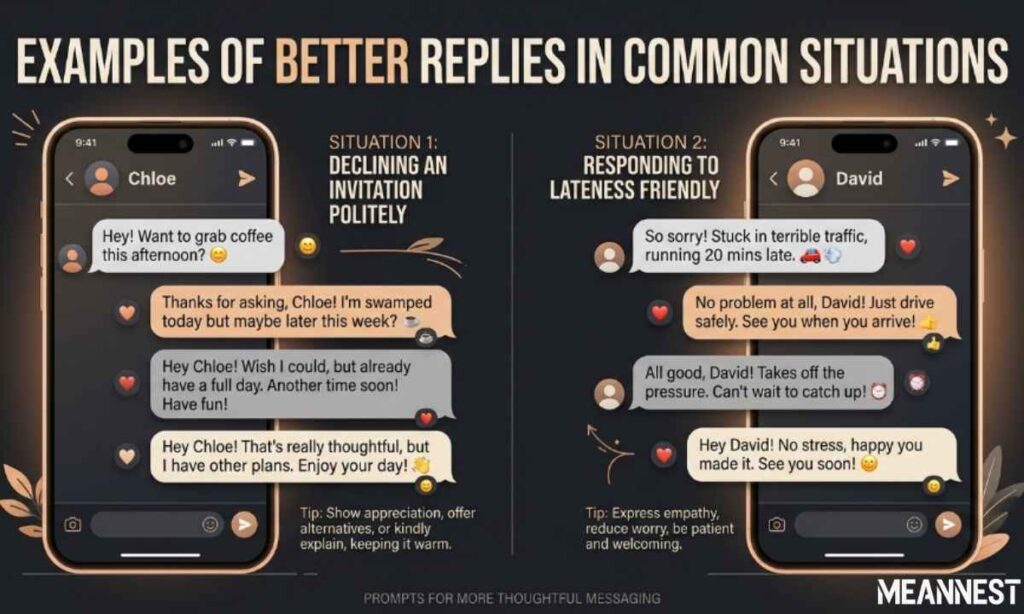
Sometimes YWA just doesn’t cut it and a slightly more thoughtful reply can completely change how the other person feels.
- When a friend is upset say “I’m really sorry I couldn’t do more” instead
- After a failed favor try “I’ve got you next time for sure” to show care
- If someone is genuinely grateful reply with “It honestly meant a lot to help”
- In a work or professional chat go with “Happy to assist regardless” always
- When emotions are running high choose “I hear you and I’m still here”
- After breaking bad news say “Take your time, no rush at all” with warmth
- For a close friend joking around a simple “Lol anytime bestie” works perfectly
Choosing the right words over a quick shortcut shows people that you actually care about how they feel.
You’re Welcome Anyway
“You’re Welcome Anyway” is one of those phrases that carries a surprising amount of meaning packed into just three simple words.
| Aspect | Details |
| Full Meaning | A warm acknowledgment that you helped even when the result didn’t work out |
| Tone It Carries | Can feel friendly, neutral, or sarcastic depending on how it is delivered |
| Best Used When | Someone thanks you after a favor that didn’t fully succeed |
| Common Platforms | Texting, Instagram DMs, WhatsApp, Snapchat, and Twitter replies |
| Short Form | Abbreviated as YWA in casual digital conversations |
| What It Replaces | Longer phrases like “No worries, I tried my best” or “Glad I could attempt it” |
| When To Avoid It | During serious emotional moments or in any professional setting |
Understanding “You’re Welcome Anyway” fully means knowing that the right tone and timing are everything behind this phrase.
Texting abbreviations
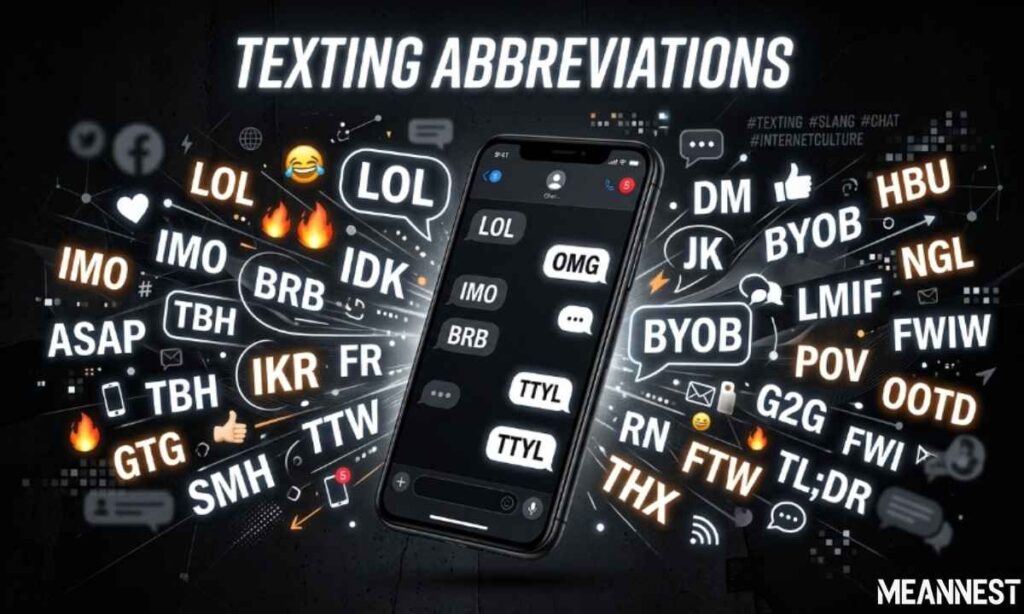
Texting abbreviations are short coded expressions that people use every day to communicate faster and keep conversations feeling natural and fun.
- LOL, BRB, and OMG are among the oldest and most globally recognized abbreviations
- Most abbreviations were born in early SMS culture when character limits forced creativity
- They are used heavily across Instagram, Snapchat, WhatsApp, and Twitter daily
- Some abbreviations like YWA and NGL carry emotional tone depending on context
- Younger generations treat them as a second language in all their digital communication
Once you understand texting abbreviations you will instantly feel more confident and natural in any casual online conversation.
Online chat slang
Online chat slang is the ever-changing informal language that people use across digital platforms to express themselves quickly and authentically.
- Terms like “lowkey,” “no cap,” and “slay” dominate casual conversations across all platforms
- Most slang starts in niche communities like gaming, stan culture, or Black Twitter before going mainstream
- It evolves so fast that a phrase popular last year can already feel outdated today
- Platforms like TikTok and Discord are currently the biggest engines driving new slang trends
- Using the right slang at the right time instantly makes your messages feel more relatable and real
Keeping up with online chat slang is less about memorizing words and more about understanding the culture behind them.
Digital communication slang
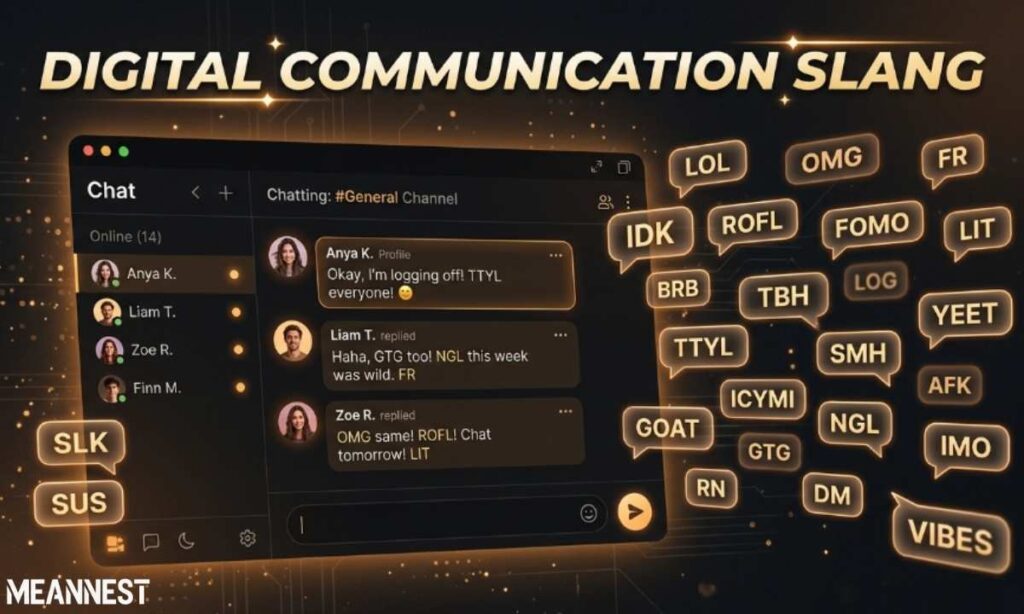
Digital communication slang is the informal shorthand language that has grown naturally out of how people connect, express, and respond across the internet every day.
- Terms like “tbh,” “imo,” and “idk” are now used so widely they feel like standard vocabulary
- Much of this slang comes from the need to type faster and feel less formal in online spaces
- It carries tone and emotion in ways that plain words sometimes simply cannot capture
- Platforms like Reddit, Discord, and Twitter have each developed their own distinct slang cultures
- Understanding digital slang helps you connect more naturally and avoid misreading someone’s message
The beauty of digital communication slang is that it keeps evolving alongside the people and platforms that shape how we talk online.
Gen Z texting slang
Gen Z texting slang is a bold, fast-moving language that this generation uses to express identity, humor, and emotion in ways that feel completely their own.
- Phrases like “no cap,” “it’s giving,” and “slay” are now core to everyday Gen Z conversations
- Most of this slang comes directly from Black culture, LGBTQ+ communities, and internet subcultures
- It shifts so rapidly that even older Gen Z members sometimes struggle to keep up with new terms
- TikTok is currently the single biggest platform driving new slang into mainstream digital culture
- Using Gen Z slang the wrong way or too late can instantly make you come across as out of touch
The secret to truly understanding Gen Z texting slang is knowing that it is less about words and far more about the culture and energy behind them.
Chat response phrases
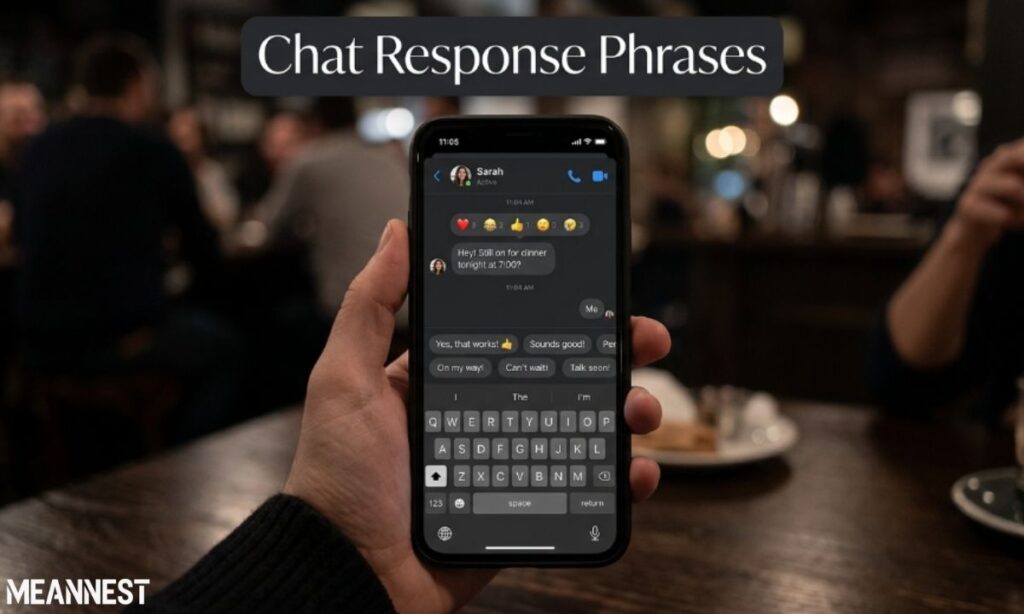
Chat response phrases are the quick, go-to expressions people reach for to keep conversations flowing smoothly and naturally online.
- “Got it,” “sounds good,” and “for sure” are classic responses used across every platform
- Short phrases like “lmk” and “hmu” replace full sentences without losing any meaning
- The right response phrase instantly sets the tone of the entire conversation
- Timing and word choice together decide whether your reply feels warm or cold
- A well-placed phrase like “I hear you” can completely change how someone feels
Mastering chat response phrases means you will always know exactly what to say and how to make every reply land just right.
Online conversation examples
Online conversation examples give you a real look at how people actually talk, reply, and express themselves across digital platforms every day.
- A simple “lol same” can instantly build connection without a single extra word
- Seeing real back-and-forth exchanges helps you understand tone far better than definitions alone
- Examples reveal how one wrong word can completely flip the meaning of a message
- They show exactly how slang like YWA or NGL lands differently in different situations
- Real examples teach you when to keep it short and when a longer reply is needed
Learning from online conversation examples is honestly the fastest way to sharpen your digital communication skills naturally.
What Does YWA Stand For?
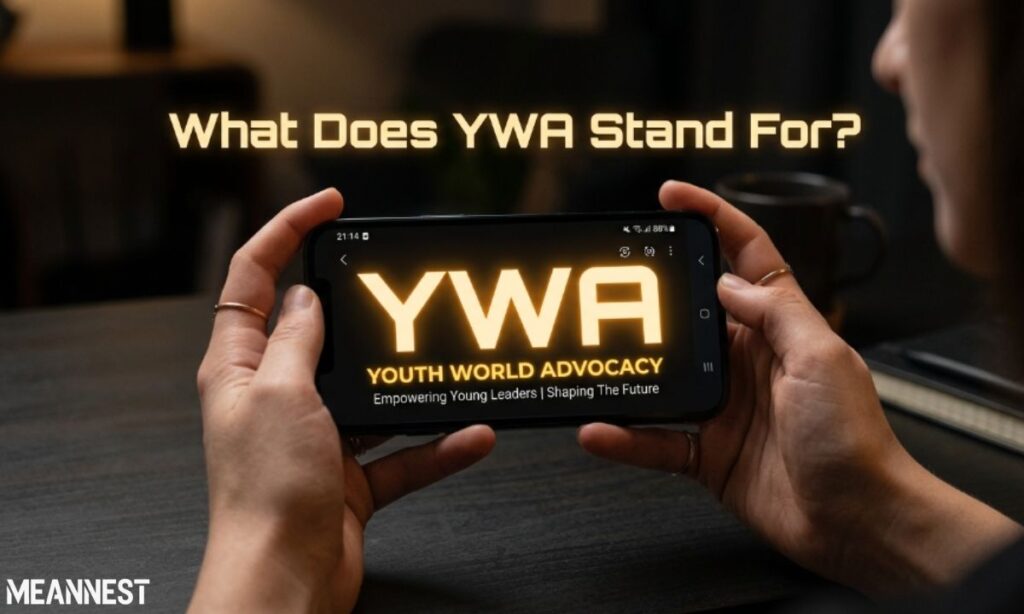
YWA stands for “You’re Welcome Anyway” and it is one of the most cleverly compact expressions in modern texting culture today.
- The “Y” stands for “You’re” making it instantly personal and direct in tone
- “W” covers “Welcome” which carries the core message of acknowledgment and warmth
- The final “A” for “Anyway” is what gives the phrase its unique honest and slightly self-aware edge
- Together the three letters create a phrase that feels casual, genuine, and effortlessly human
- It is most often used when help was given but the outcome did not go quite as planned
Once you know what YWA truly stands for you will never read those three letters the same way again in any conversation.
Origin of YWA
YWA first emerged in the early days of SMS texting culture when character limits pushed people to shorten everything they typed into the smallest possible form without losing meaning.
As smartphones took over and platforms like Twitter, Snapchat, and Instagram exploded in popularity, YWA moved naturally into everyday digital conversations and became a staple of casual online communication across all age groups.
Common Contexts Where YWA is Used
YWA shows up naturally in specific moments and settings where people want to acknowledge a thank-you without making the conversation feel heavy or overly formal.
- Most common after a failed attempt at helping a friend with advice or a task
- Used frequently in lighthearted group chats where the mood is already fun and relaxed
- Appears often in social media comment replies when someone publicly thanks another person
- Works well in casual one-on-one texting between people who already know each other well
- Pops up regularly after small everyday favors that did not quite land as expected
Knowing the right context for YWA means you will always use it where it feels natural and never where it could land the wrong way.
How to Use YWA in Texting
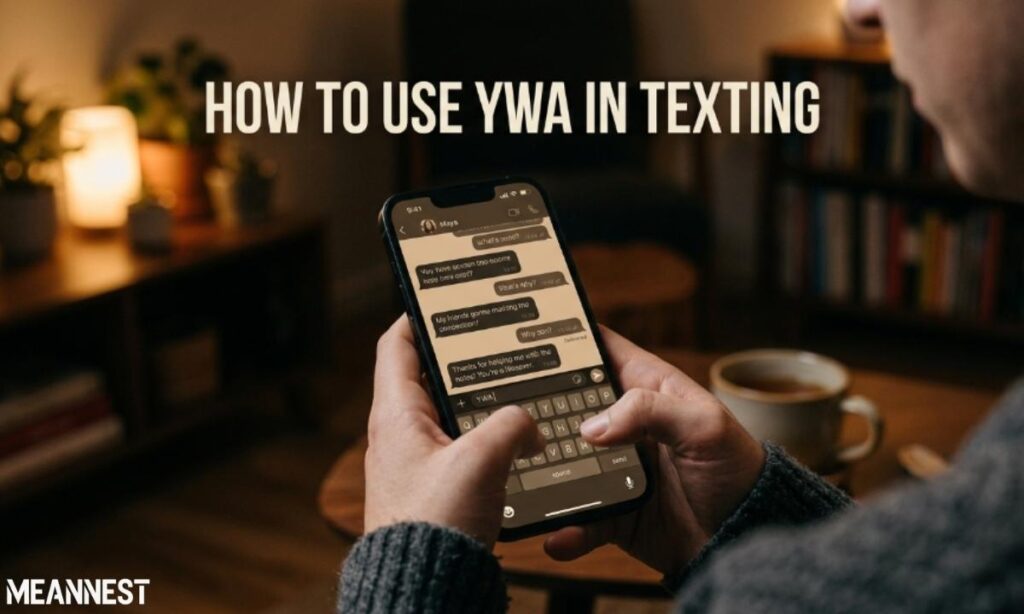
Using YWA correctly in texting comes down to picking the right moment, the right person, and the right energy before you hit send.
- Always use it with close friends or people you already have a casual comfortable bond with
- Drop it right after someone thanks you for a favor that did not fully work out as planned
- Pair it with a light emoji or lol to make sure the tone reads warm and never dismissive
- Avoid it when the conversation has any serious emotional weight attached to it
- Keep it as a standalone reply or combine it with one short follow-up line at most
Once you get comfortable with how to use YWA in texting it will start feeling like the most natural reply in the right moment.
YWA in Social Media Posts
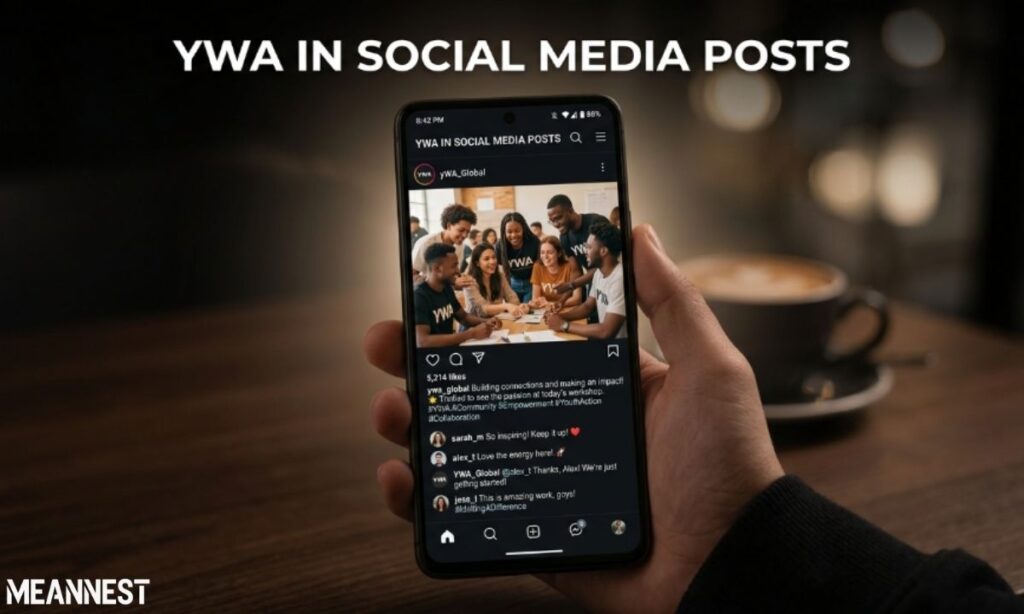
YWA has moved well beyond private texting and now appears constantly in the public-facing world of social media posts, comments, and replies across every major platform.
- Spotted regularly in Instagram comment sections where creators respond to fan thank-you messages
- Used widely on Twitter and X as a punchy one-word reply under viral or relatable posts
- Shows up in TikTok video captions when creators acknowledge helpful but unsuccessful suggestions
- Flows naturally through Facebook group threads especially among younger and more casual members
- Appears in YouTube comment replies when someone thanks a creator for content that partly helped
Understanding how YWA works on social media gives you the edge to communicate with confidence, relatability, and just the right casual energy online.
Differences Between YWA and Similar Acronyms
YWA might look like just another texting acronym but it carries a very specific meaning that sets it clearly apart from other similar-sounding abbreviations.
- YW means “You’re Welcome” while YWA adds “Anyway” giving it a more nuanced and self-aware tone
- NP means “No Problem” which is cleaner and more neutral without any hint of an incomplete outcome
- IKR means “I Know Right” and is used for agreement while YWA is purely a response to being thanked
- TBH means “To Be Honest” which signals opinion sharing while YWA signals acknowledgment of effort
- YWIA means “You’re Welcome In Advance” which is future-facing while YWA always looks back at what happened
Knowing the exact difference between YWA and similar acronyms stops you from accidentally sending the wrong vibe in an important conversation.
Real-Life Examples of YWA in Texts
Imagine your friend says “Thanks for trying to fix my WiFi even though it didn’t work” and you simply reply “YWA, wish I could’ve done more” that is exactly the kind of casual, warm moment where this phrase fits perfectly.
Another everyday example is when someone texts “Thanks for the advice, didn’t work out but I appreciate it” and you fire back with “YWA bestie, we’ll figure it out next time” keeping the energy light, supportive, and completely stress-free.
Why People Use YWA

People reach for YWA because it perfectly captures that honest, easygoing feeling of acknowledging a thank-you without making a big deal out of it.
- It lets you respond gracefully when your help did not fully work out
- It keeps the conversation light without any awkward silence after a failed favor
- It feels more genuine and real than a flat or overused “no problem”
- It shows you are easygoing and humble about the outcome without overthinking it
- It saves time by wrapping up a thank-you exchange in just three letters
At the end of the day people use YWA because it says exactly what needs to be said without a single extra word.
Common Mistakes When Using YWA
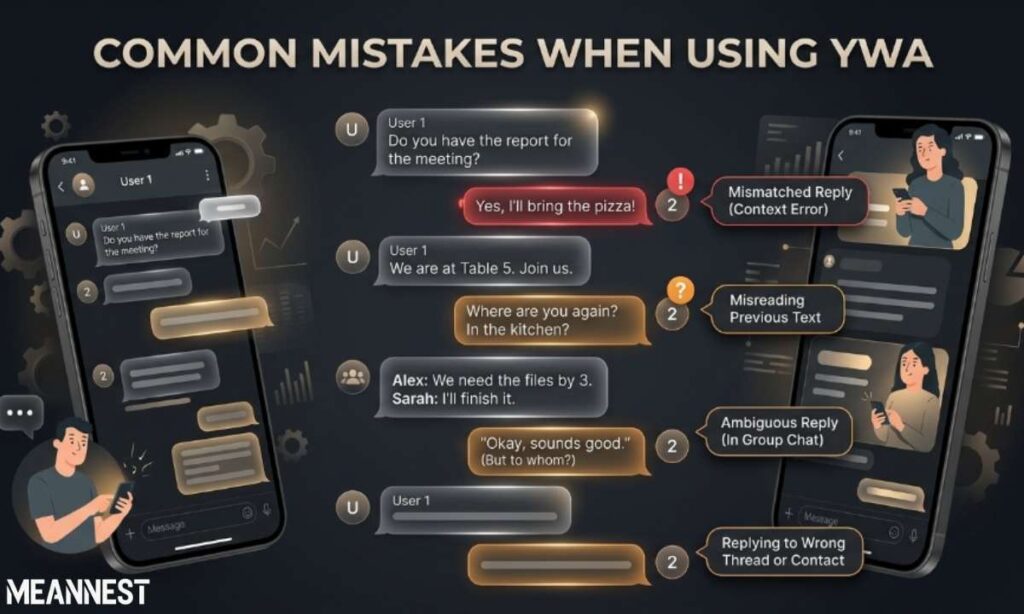
Even a simple three-letter phrase like YWA can go completely wrong when people use it without thinking about the moment or the person on the other end.
- Sending it in a serious or emotional conversation where it instantly reads as cold and dismissive
- Using it with a boss, coworker, or client where informal slang has no place at all
- Dropping it with no context or follow-up when the situation clearly needed a warmer response
- Overusing it so much that it starts to feel lazy and meaningless to the people around you
- Using it sarcastically without realizing how sharp and hurtful that tone can actually land
Avoiding these common mistakes with YWA is what separates someone who communicates well from someone who accidentally leaves people feeling brushed off.
Fun Facts About YWA
YWA is more than just a quick reply; it has some genuinely surprising and fun little details behind it that most people have never stopped to think about.
- YWA is one of the few acronyms that carries both warmth and mild self-deprecation at the same time
- It works in at least a dozen different tones from sweet and caring all the way to playfully sarcastic
- Despite being only three letters long it manages to replace an entire emotional sentence every time
- Most people who use YWA have never once thought about what each individual letter actually stands for
- It is one of the rare texting phrases that feels equally natural whether typed or said out loud
Perhaps the most fun fact of all is that YWA has quietly become a staple of digital conversation without ever having a single big viral moment to launch it.
How YWA Reflects Modern Texting Culture
YWA is a tiny but powerful mirror that reflects exactly how modern texting culture values speed, authenticity, and emotional intelligence all at once.
- Brevity over long replies
- Tone matters most
- Slang builds real connection
- Humor softens hard moments
- Less words more meaning
In every way YWA perfectly captures the spirit of how people communicate today fast, feeling-forward, and always just a little bit human.
Using YWA in Professional vs Personal Contexts
YWA can feel totally natural in one setting and completely out of place in another depending on who you are talking to and why.
- Personal chats feel natural
- Professional settings avoid slang
- Friends welcome casual replies
- Work emails need formality
- Context always decides everything
Understanding when and where to use YWA is the simple difference between sounding relatable to a friend and unprofessional to a colleague.
Quick Tips to Master YWA
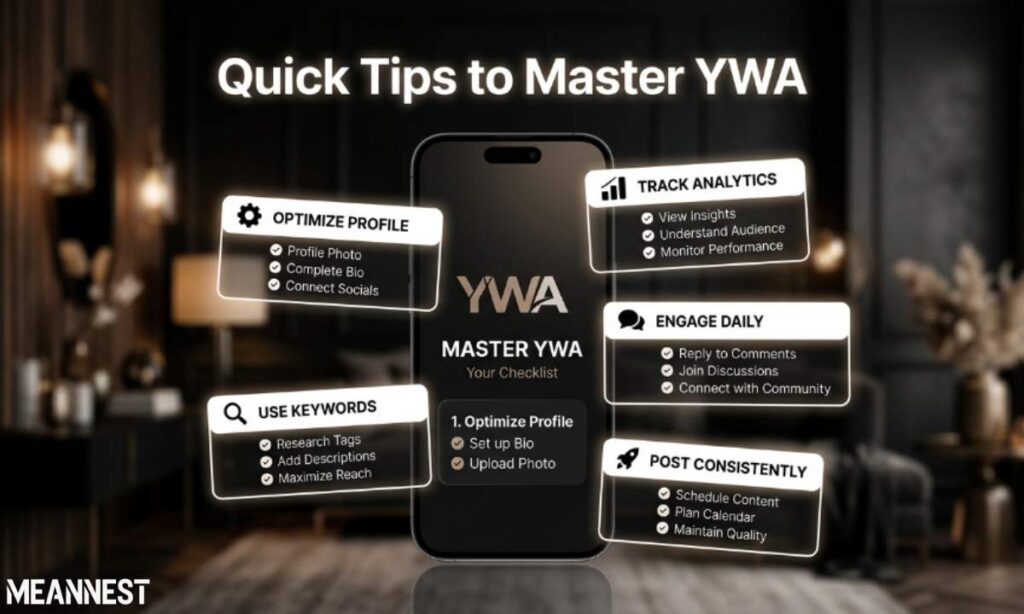
Always read the mood of the conversation first before sending YWA because a warm tone makes it land beautifully while a cold or distracted delivery can make it feel dismissive and uncaring.
Pair YWA with a small follow-up like “hope it works next time” or a light emoji to add warmth, and never use it in formal or professional exchanges where full sentences always serve you better.
Frequently Asked Question
What Does YWA Mean in Text?
YWA usually means “You’re Welcome Anyway.” People use it in chats after helping someone or replying casually.
How Is YWA Used in Text Messages?
YWA is mostly used in friendly or funny conversations. It can also sound sarcastic depending on the tone.
What Does YWA Mean on Snapchat?
On Snapchat, YWA often means “You’re Welcome Anyway” in quick replies between friends.
Is YWA a Positive or Rude Reply?
YWA can sound polite, playful, or slightly rude. The meaning depends on how the message is written.
What Is the Full Form of YWA in Chat?
The full form of YWA in chat is “You’re Welcome Anyway.” It is common in texting slang.
Why Do People Say YWA Online?
People use YWA to reply when someone forgets to say thanks or when joking with friends online.
Does YWA Mean the Same on All Social Media Apps?
Yes, in most cases YWA has the same meaning across apps like TikTok, Instagram, and Snapchat.
Can YWA Be Used in Professional Chats?
YWA is casual internet slang, so it is better to avoid it in formal or workplace conversations.
What Is the Difference Between YW and YWA?
YW means “You’re Welcome,” while YWA adds “Anyway,” which can make the reply sound more emotional or sarcastic.
Is YWA Popular in 2026?
Yes, YWA is becoming more popular in texting and social media conversations in 2026.
Conclusion
YWA Meaning in Text is simple once you understand how people use it in daily chats. These short slang terms are now part of online communication in 2026. Knowing the real meaning of YWA can help you avoid confusion in messages and social media conversations. It also makes your texting style feel more modern and natural.
As digital slang keeps growing, terms like YWA will continue appearing in chats, comments, and captions. The meaning may change slightly based on the tone and situation. That is why understanding context is very important. Now that you know the YWA Meaning in Text, you can use it confidently in your own conversations.

Michael is a creative writer with 4 years of experience exploring meanings and clever puns through his blog. He now works at Meannest.com, where he continues crafting engaging, witty content that connects ideas, language, and humor for readers worldwide diverse.

1 thought on “YWA Meaning in Text: Uses & Real Meaning 2026”